Blog #1
Week 1 of UX of Human Senses
BRIEF: Design a dance experience based on a specific location
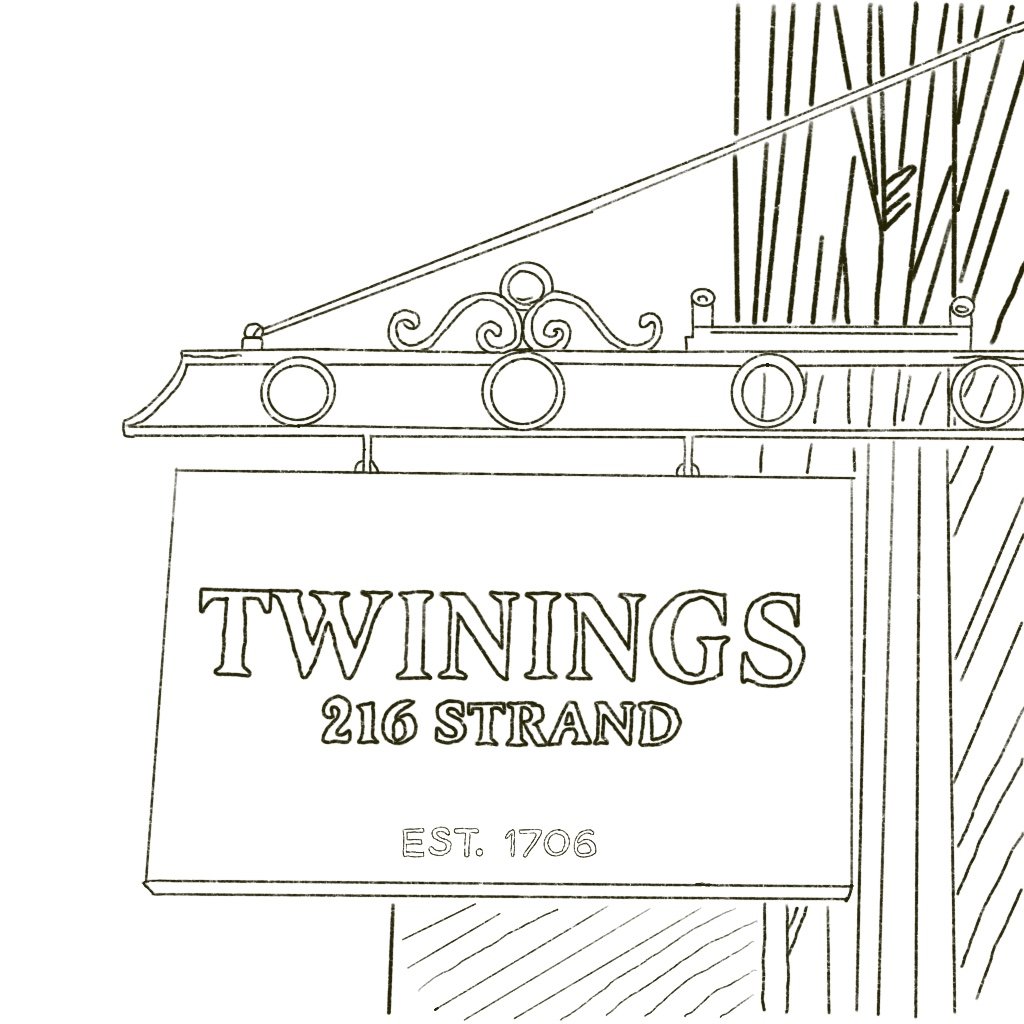
Figure 1. O’Connor, M. (2025). Sketch of the Twinings sign (after Shu, 2025). Based on Shu, N. (2025) Photograph of the Twinings shop sign.
The first week of the MA/UX design program at UAL challenged me immediately and made me look at user experience design differently. We received our first brief, and it felt overwhelmingly abstract: to create a dance experience inspired by a place, but this brief helped me think about how people feel about something rather than how they would visually perceive it.
Our group was assigned the Twinings Tea Shop as our location to observe and experience. I went in ready to look at a visually beautiful storefront and a cozy interior (which I did), but I was immediately met with another sense when I walked in. The layers of heral scents consumed the small, narrow hallway of the store. Many customers we talked to compared it to a warm hug and felt as if they could slow down when they entered. We also noticed how they give extensive acknowledgment to the places and cultures that the tea is from. There are many interactive activities throughout the store that showcase where the tea is curated.
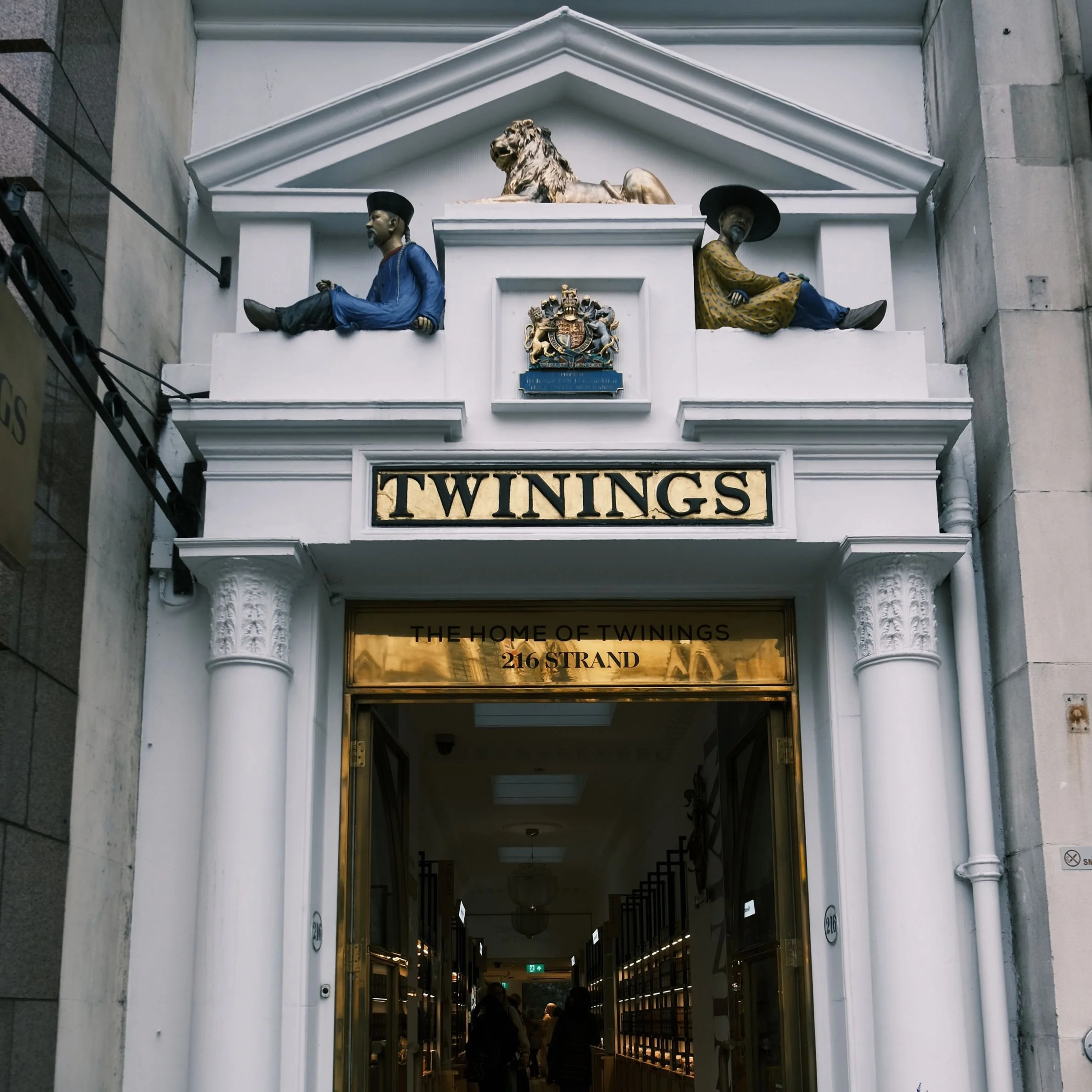
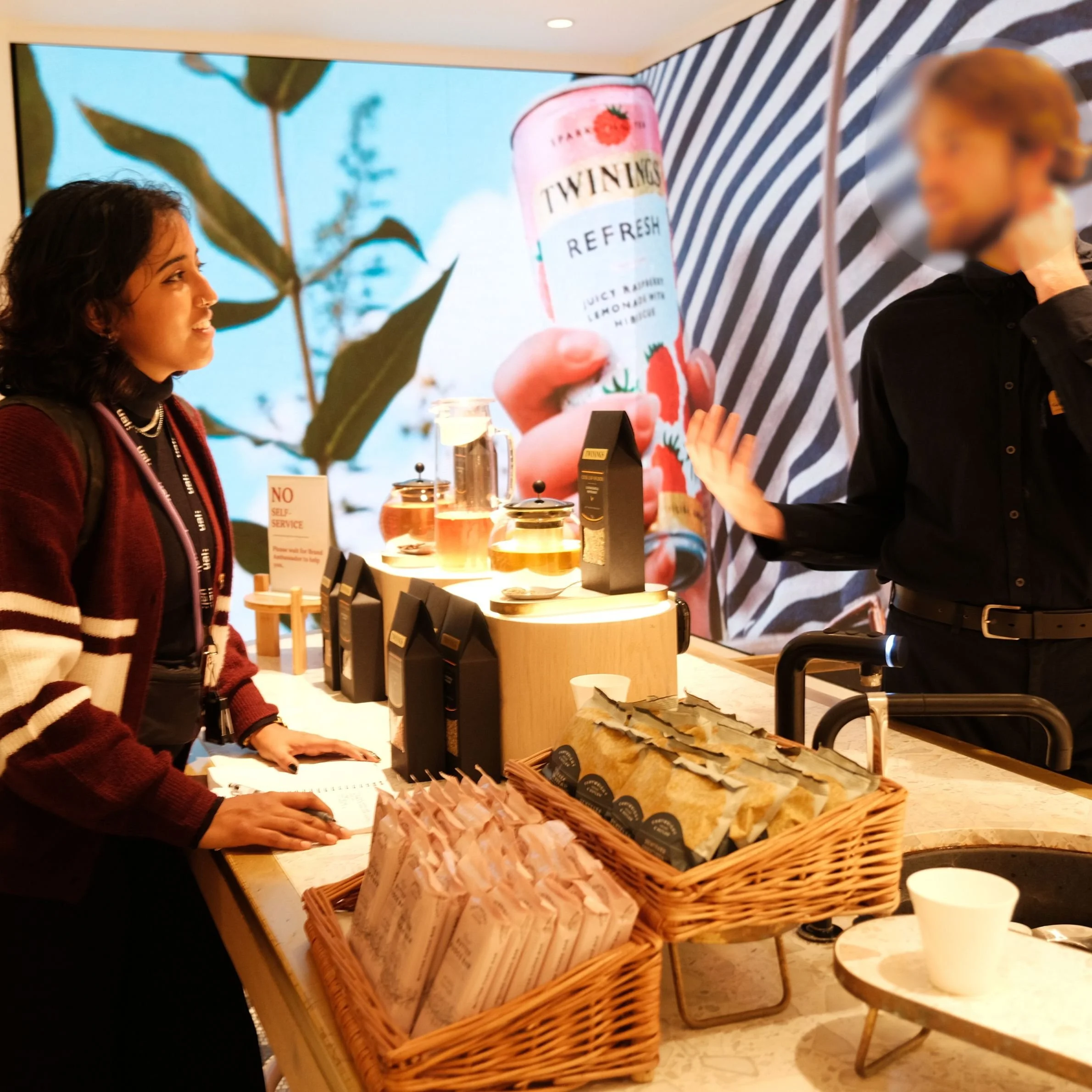
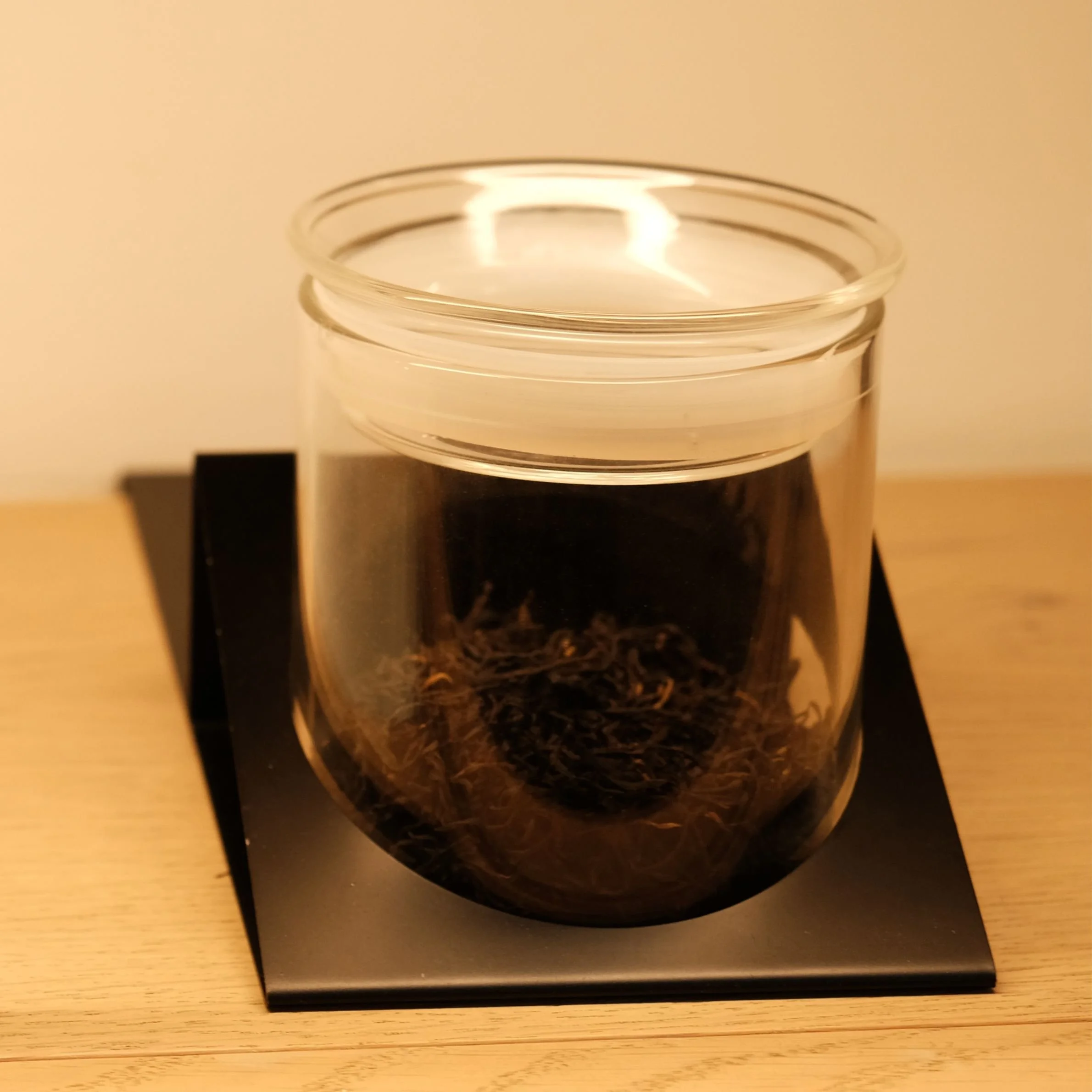
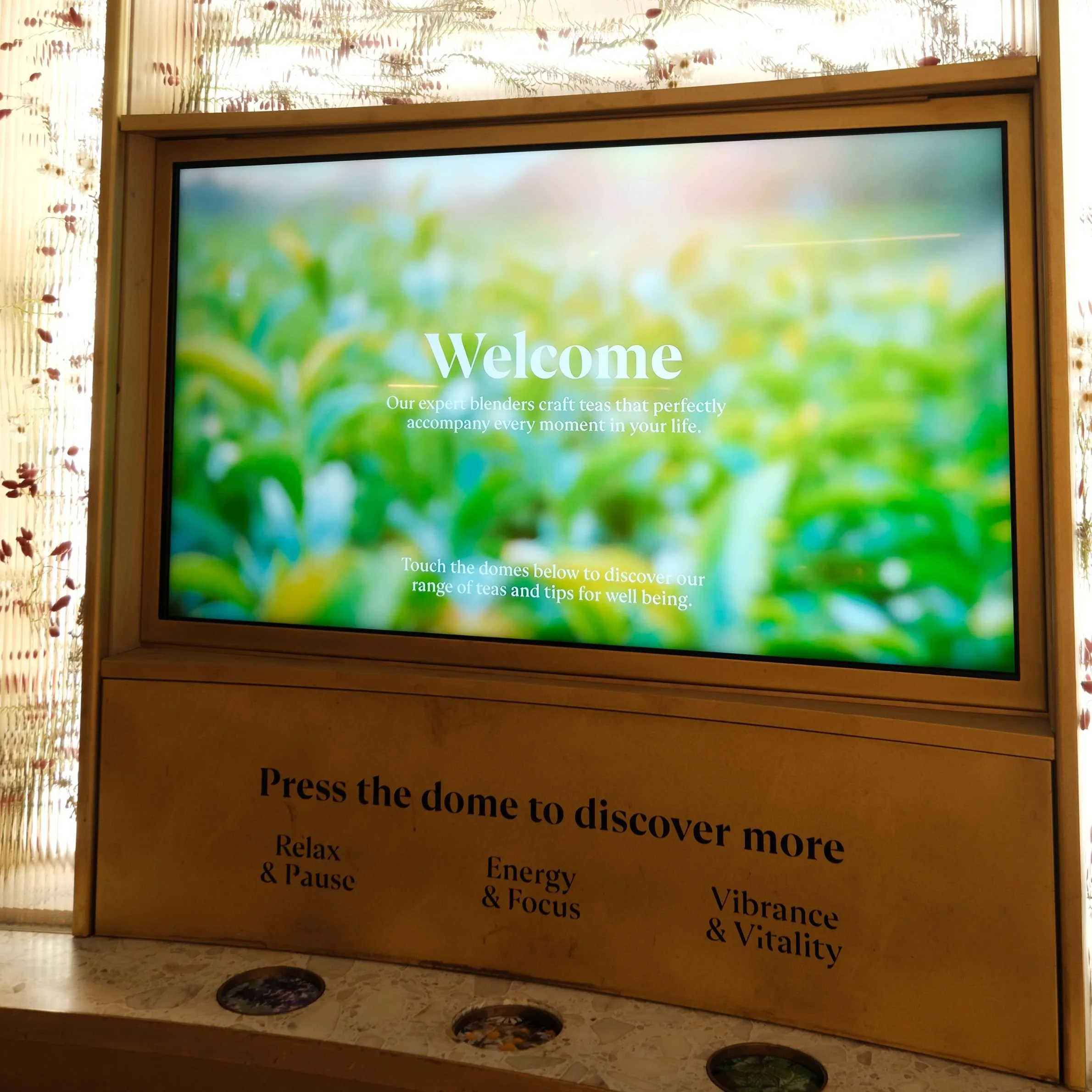
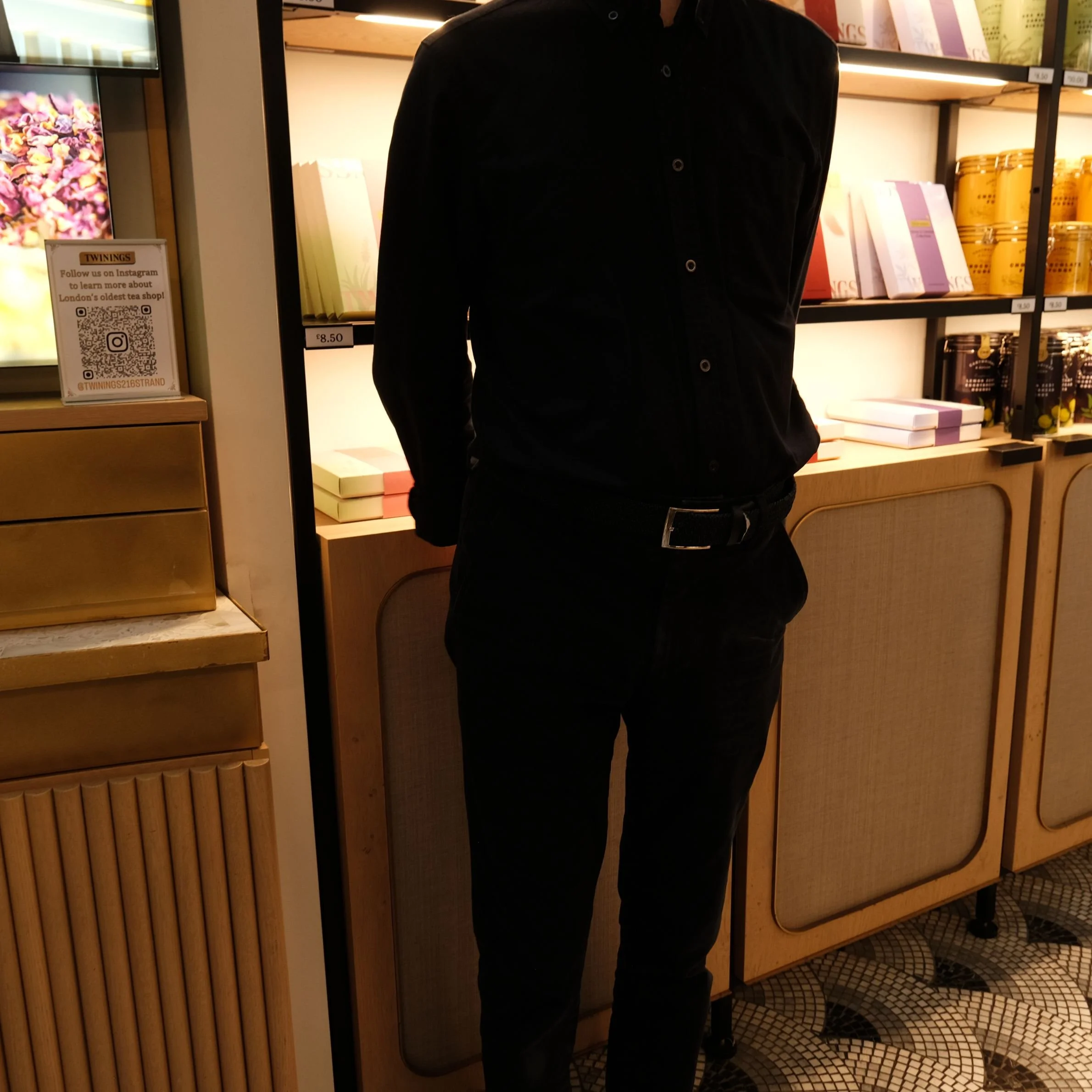
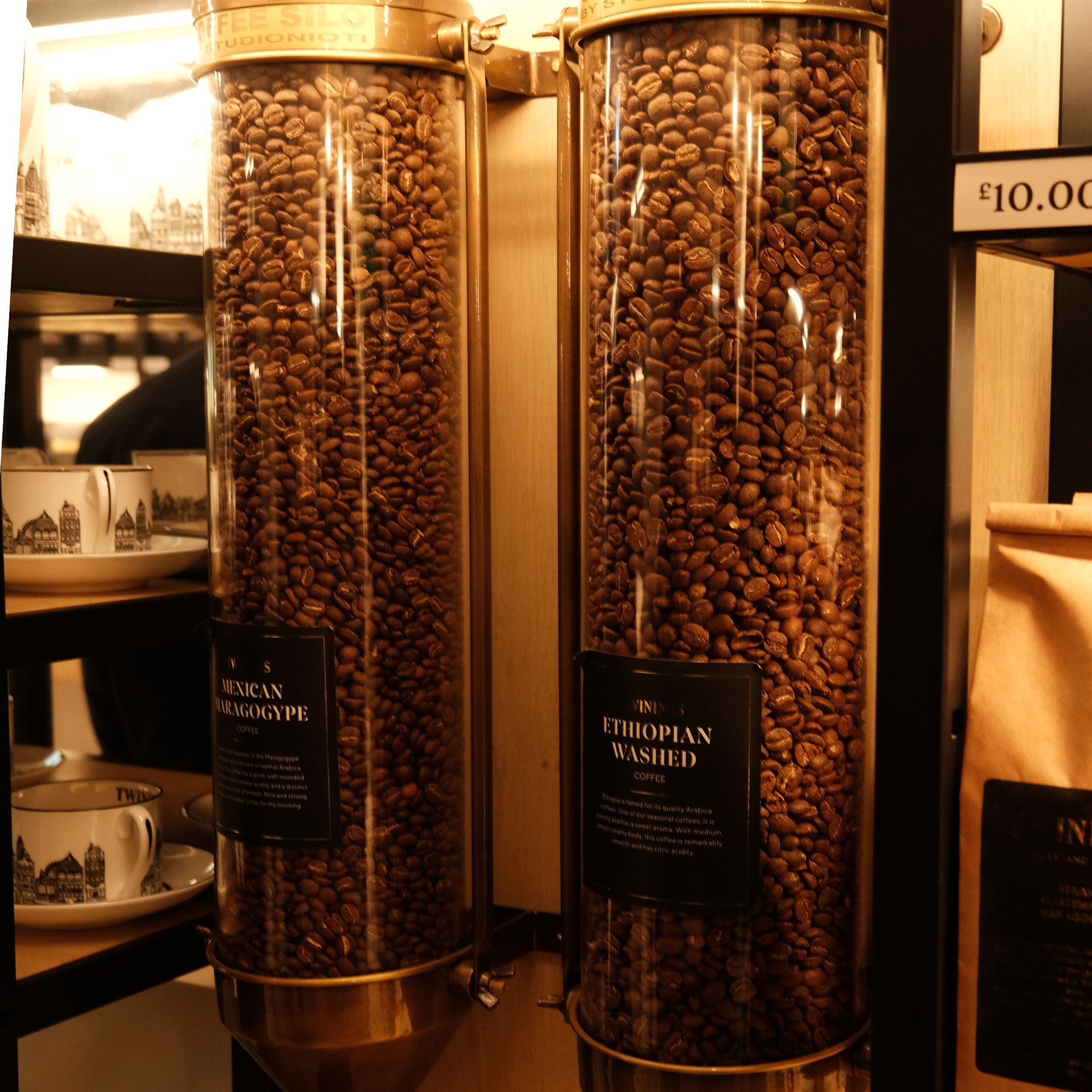
Doing this in-person location research gave me valuable insights into how different elements shape user experience from a sensory perspective. As Connor writes in The Menagerie of the Senses. The Senses and Society,
“The senses construct the atmosphere of a space as much as the architecture does”
which became clear as we watched how visitors reacted to scents, sounds, and textures created a feeling, not just a building(Connor, 2006). While this week consists of less project work, I gained insights about types of research methods that can be applied to abstract concepts.
Outside of the brief this week, we were visited by Aaron McPeake, who spoke about Interactive Sound and Sculpture. He gave us a unique design challenge: without seeing the piece, we were asked to use clay-like material, paper, and pencil to create a representation of the artwork described only through audio. The piece described was a pair of breasts in a case. At first, we all laughed and questioned, “Are we really making breasts on the first day?” But as we listened more closely, we mirrored the viewer’s reaction: coping with humour at first, then developing a deeper understanding once the full context was revealed.
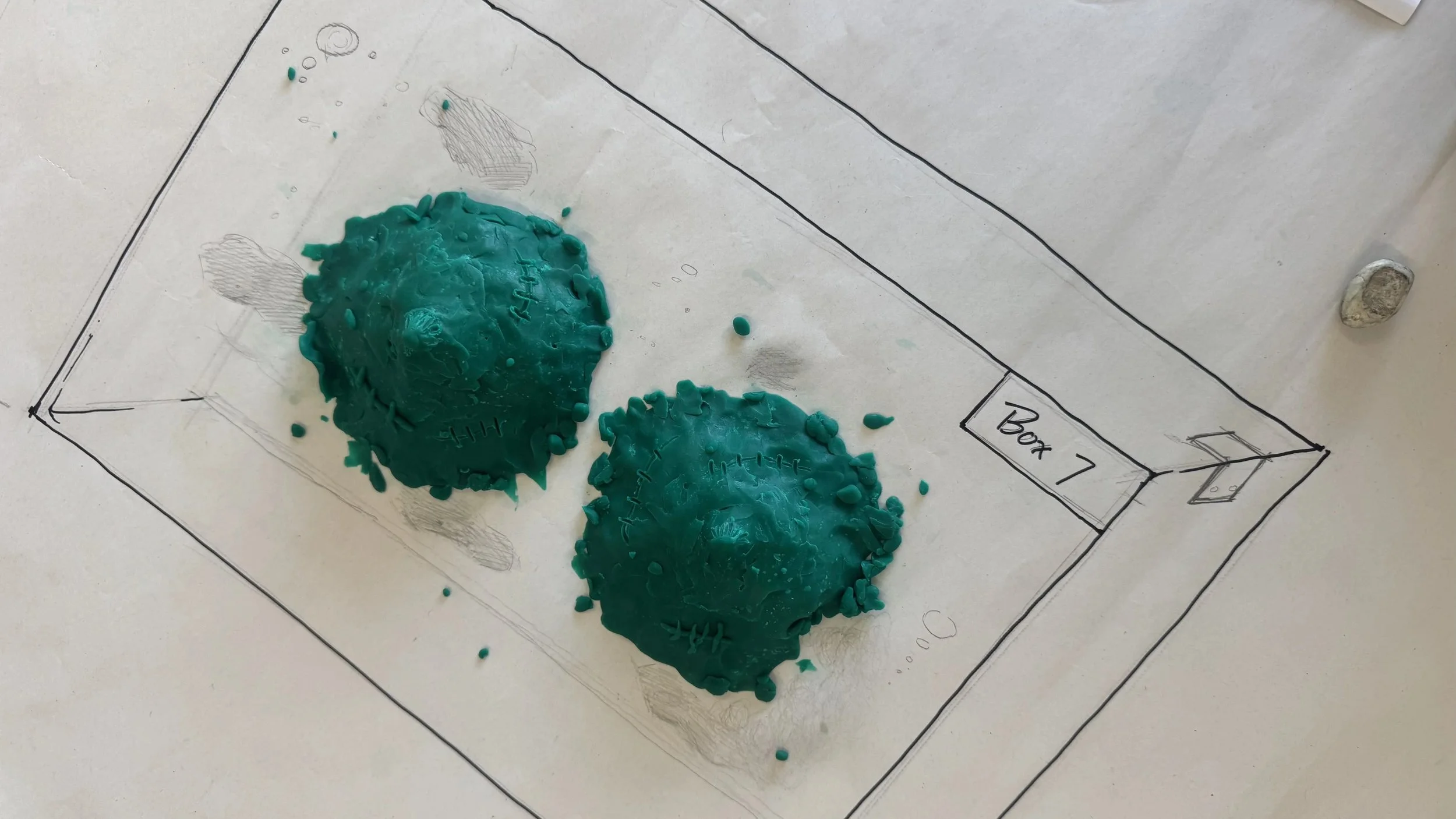
O’Connor, M. (2025). Group artwork created after an activity led by Aaron McPeake, showing a breast form made from paper, marker, and teal clay, made by Shuairuge Shu, Mingyu Chen, Merrin O’Connor, Aishwarya Saji, Yifei Huang, and Revati Banerji. Photograph, London.
By the end of the week, I gained a better understanding of sensory perception and description. While this project is going to be an abstract challenge, I am excited to explore sensory experiences through the Twinings Tea Shop.
citations:
Connor, S. (2006) ‘The menagerie of the senses’, The Senses and Society, 1(1).