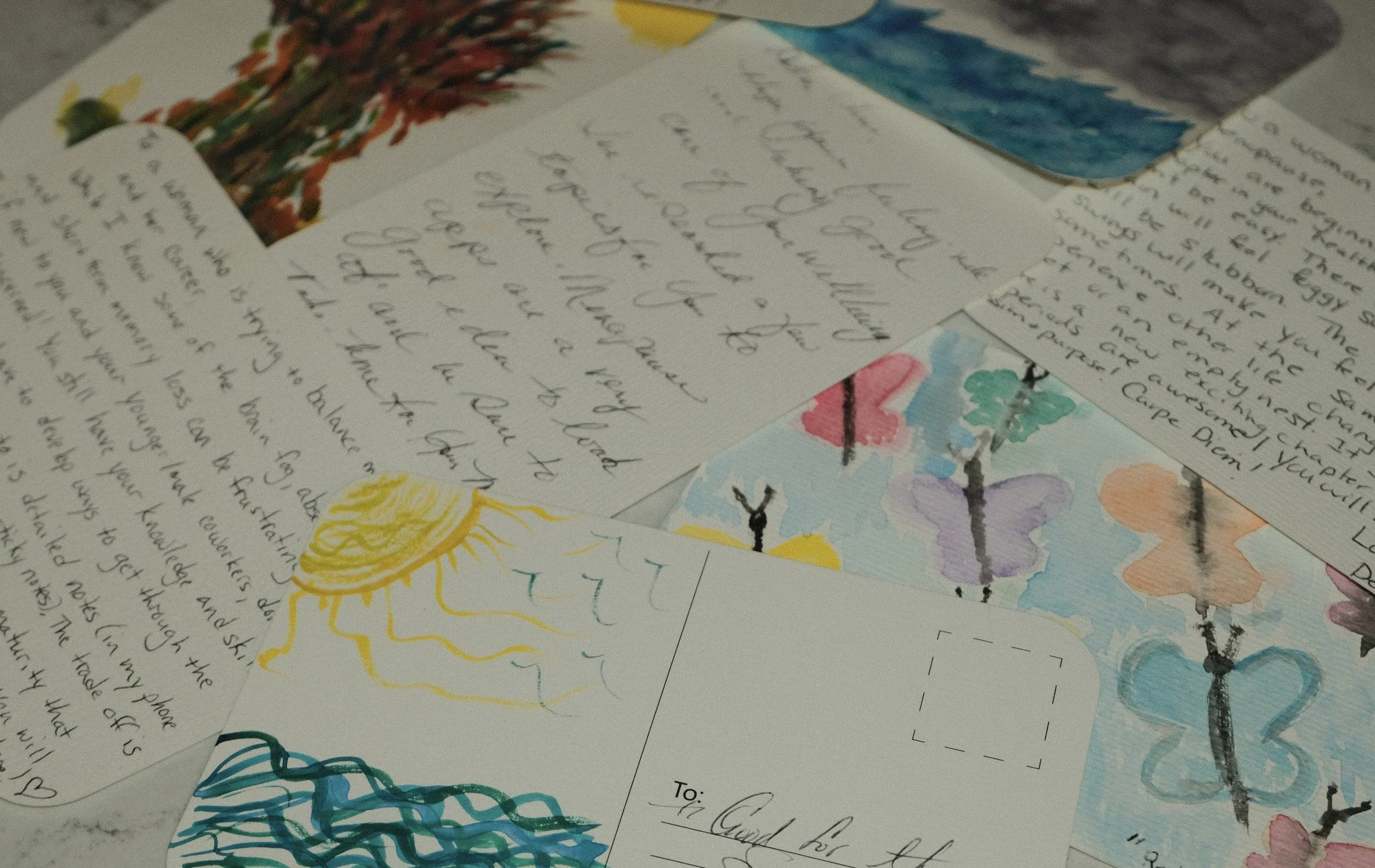
Explore the design process, thinking, and reflections of my final major project that explores menopause experiential knowledge.
FMP Blog 2026
FMP Blog 2026
Blog #1
Topic Exploration
From the start of my research, I was confident that I wanted to research women’s health. As this is a very wide-ranging topic, I started the first week by conducting background research, surveying women, and prototyping conversations that parents have with their children about menstruation.
Background Research
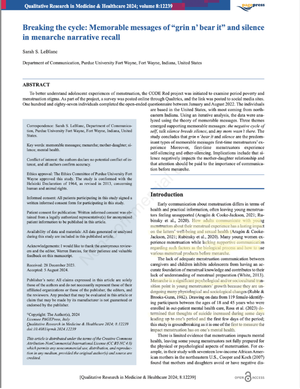
I started by reflecting on my own experience. Growing up, I had a good experience with parental communication about menstruation products and what my period would be like, but many families struggle to speak openly about menstruation because of discomfort and silence, leading young people to piece information together alone (LeBlanc, 2024).
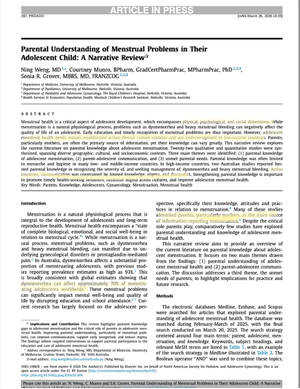
Parental Gaps in Knowledge
‘They (conversations) are often described as one-sided, with others leading the discussion and daughters expected to listen’ (Weng, Munro and Grover, 2026)
“Young adults graduate from high school knowing more about the biology of animals they dissect in school than their own bodies”
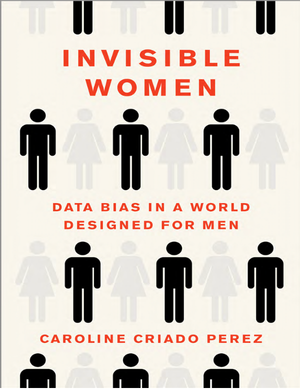
Women’s needs are systematically overlooked
‘Our current approach to product design is disadvantaging women’ (Perez, 2019).
Background Research Takeaways
Parents often respond with silence because societal norms often make women, from a young age, scared and ashamed of their naturally occurring bodily functions (LeBlanc, 2024).
Parents feel they lack knowledge, leading to a generational knowledge gap (Weng, Munro and Grover, 2026).
The combination of this generational knowledge gap and societal norms feeds a system that excludes women’s needs in everyday design (Perez, 2019).
After understanding these concepts, I chose to survey women to see where their experiences were the same and where they differed from this research, because my question was now: How can I challenge the systemic issue causing this knowledge gap?
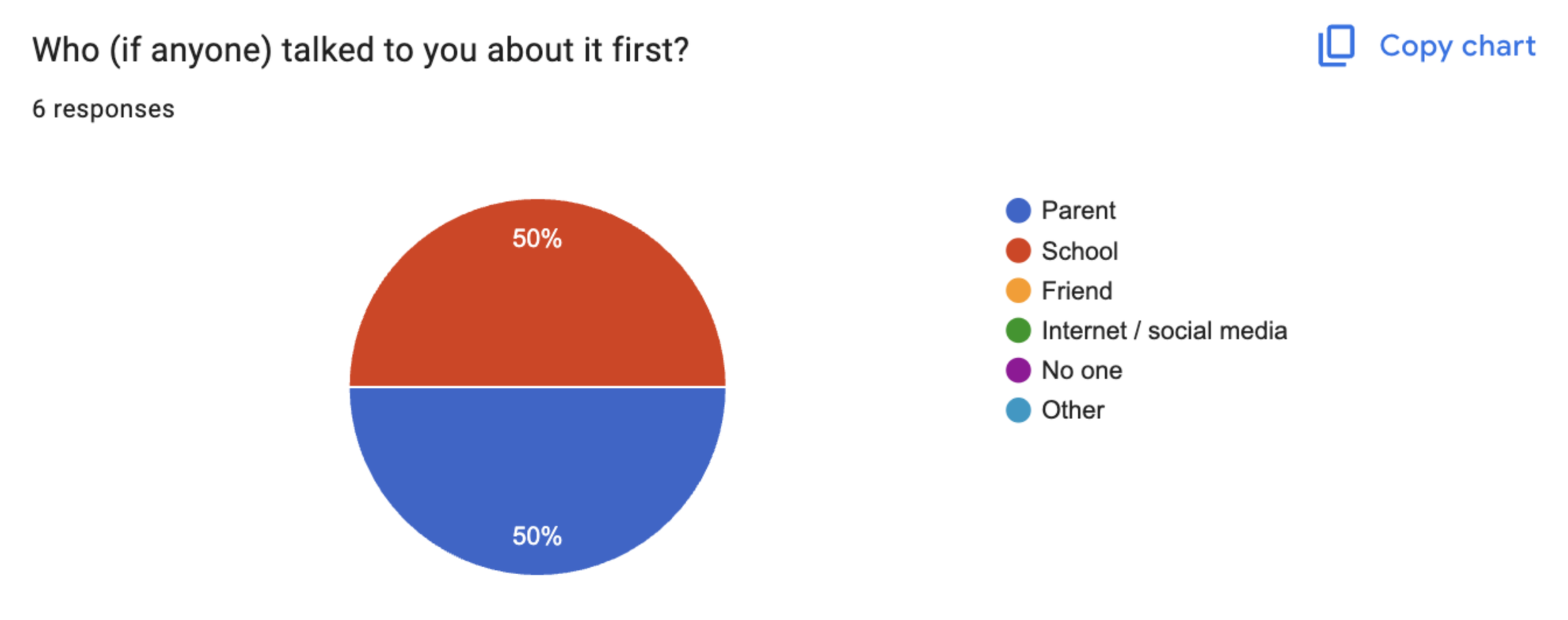

Selected Responses
“In third grade is when we were first introduced to it and that in a few years you would start to bleed once every month and your boobs would probably get bigger. You may also have some acne.”

Selected Responses
“How hormones can make you feel throughout the different phases puberty and the menstrual cycle.”
Survey Takeaways
Women do not feel like they have received a comprehensive understanding of their own health.
Some parents and schools were supportive, and some gave very little advice when it came to larger topics surrounding menstruation and sexual health.
This survey led me to think about how I could showcase what is often taught and what women wish they had learned.
Concept
An enlarged tampon that exposes the silences and gaps in menstrual education.
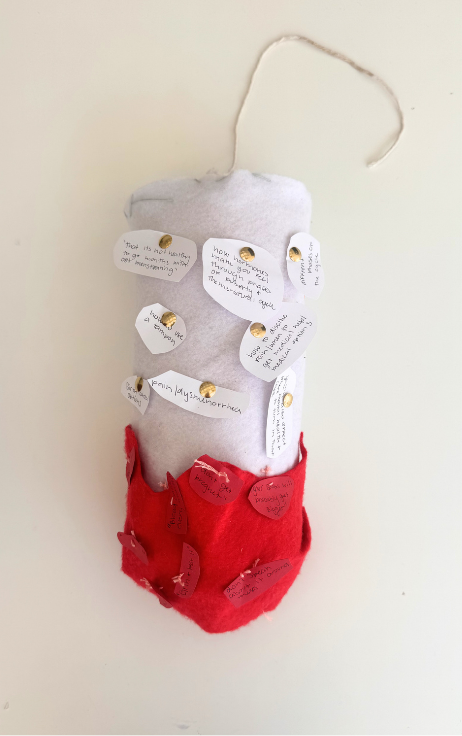
“I wish we were taught more specifically about how our cycle affects us. As I have gotten older I’ve learned about the different phases of my cycle and how my body and moods can shift during these times. ”
Secondary and Primary Research Analysis
After the research phase, I started to analyze my key findings from each reading and survey responses by using the Affinity mapping method. I grouped them with other insights that were related and created themes from the data.
The tampon's large scale reflects the discomfort that often prevents discussion about menstrual health. The little red “blood” represents the limited information people are taught, while the large white space showcases the amount of knowledge they wish they had, exposing the educational gap created by silence and stigma.
What Next…
When presenting this piece, I was happy that people were drawn to the physicality of it. They also felt it was a strong way to convey knowledge gaps.
Next, I plan on researching misinformation and online conversations related to women’s health to see what area of women’s health I want to explore for my FMP.
“1993 legislation mandating the inclusion of women in research sponsored by the National Institutes of Health.”
Blog #2
Topic Exploration (again)
As many women in my menopause survey explained, they have grown up as women who are still misinformed about their own reproductive health, which led me to explore this.
Background Research
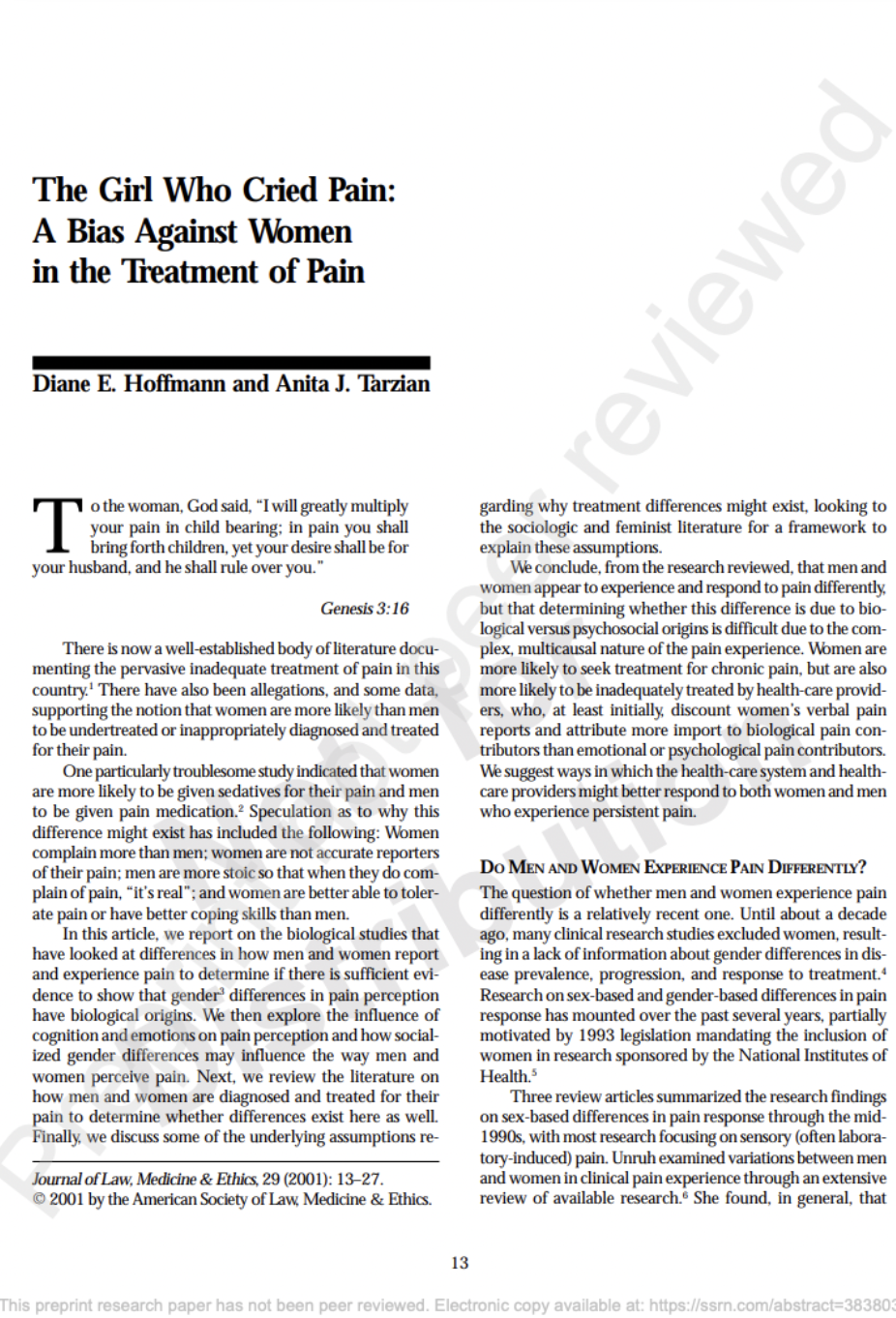
In my experience, I have a difficult time going online and finding the information that I need. In the past, women have been left out of health-based studies, making accurate information harder to find for women because there just is not as much of it (Hoffmann & Tarzian, 2010).
Additionally, Online health content is often inaccurate, fear‑based, or misleading; similarly, healthcare environments dismiss or underestimate women’s symptoms (John et al., 2022).
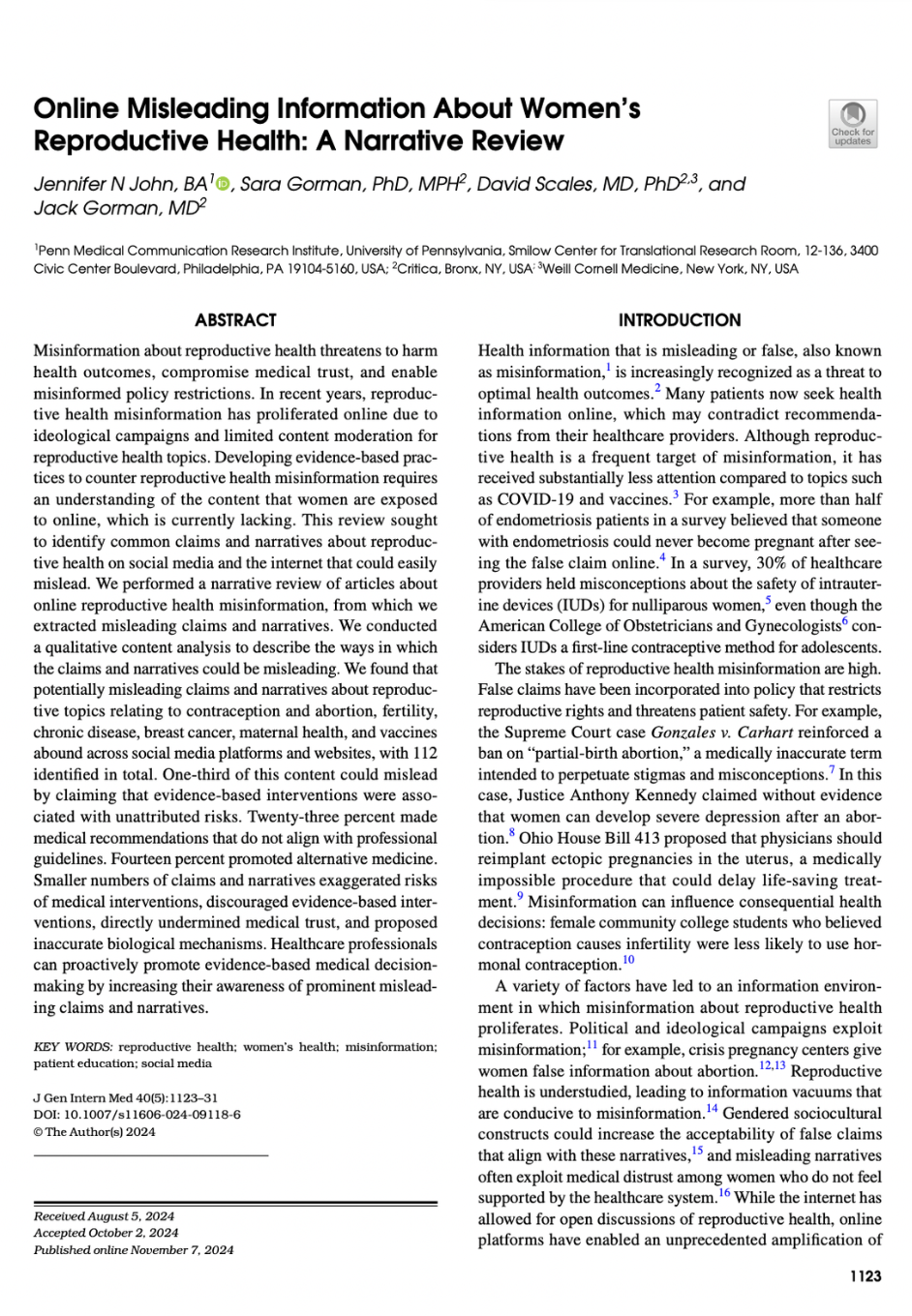
Misinformation influences their health decisions
‘More than half of endometriosis patients...believed that someone with endometriosis could never become pregnant after seeing the false claim online’ (John et al., 2022).
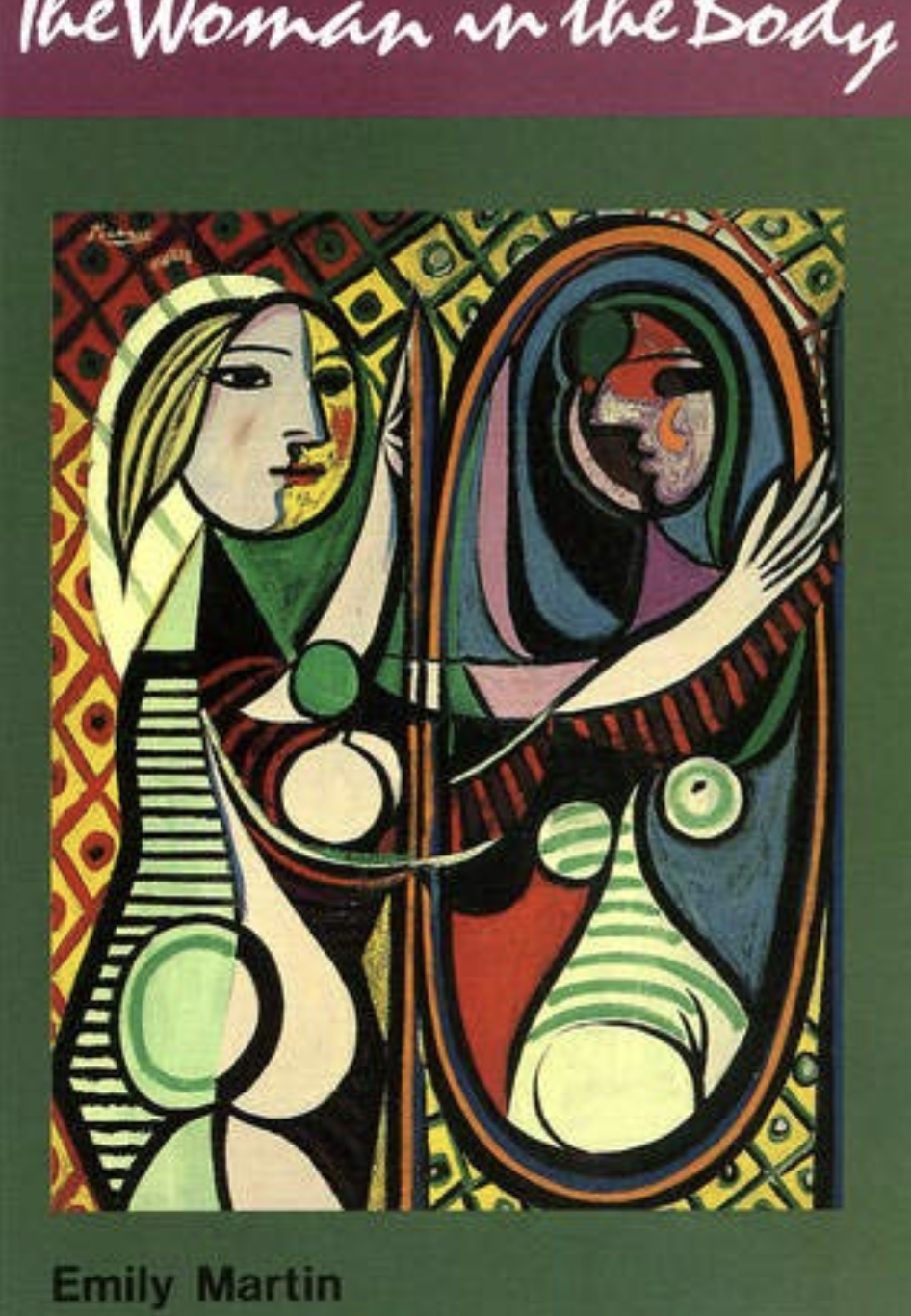

Gendered Bias in Health Knowledge
‘Women’s embodied knowledge is frequently dismissed in favor of external authority’ (Martin, 2001).
Silence is a key response to menstruation
‘It felt very shameful, and I was told it must be kept a secret from the males in my life’ (LeBlanc, 2024).
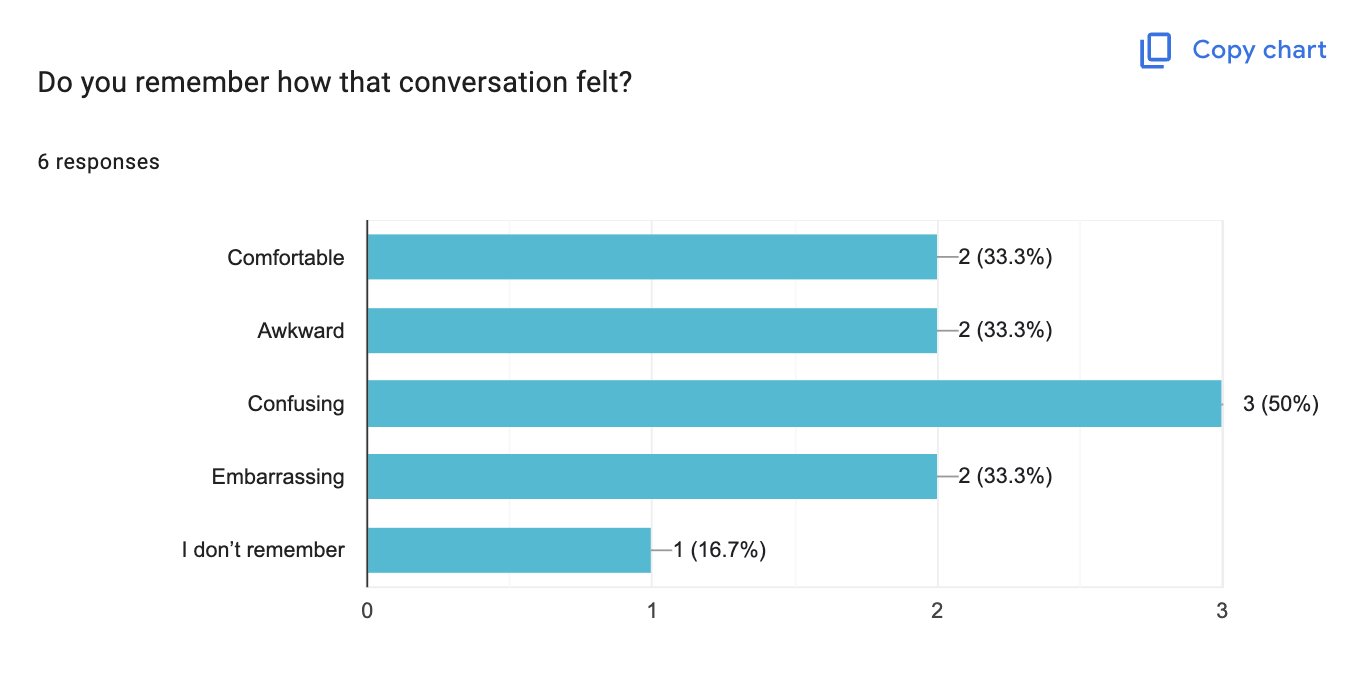
Menstruation Communication Survey
This anonymous survey was conducted from July 15th to July 18th 2026. Posters with a QR code were placed around UAL LCC and shared via social media, resulting in six responses.
Next, you will see the questions and selected responses from the survey.
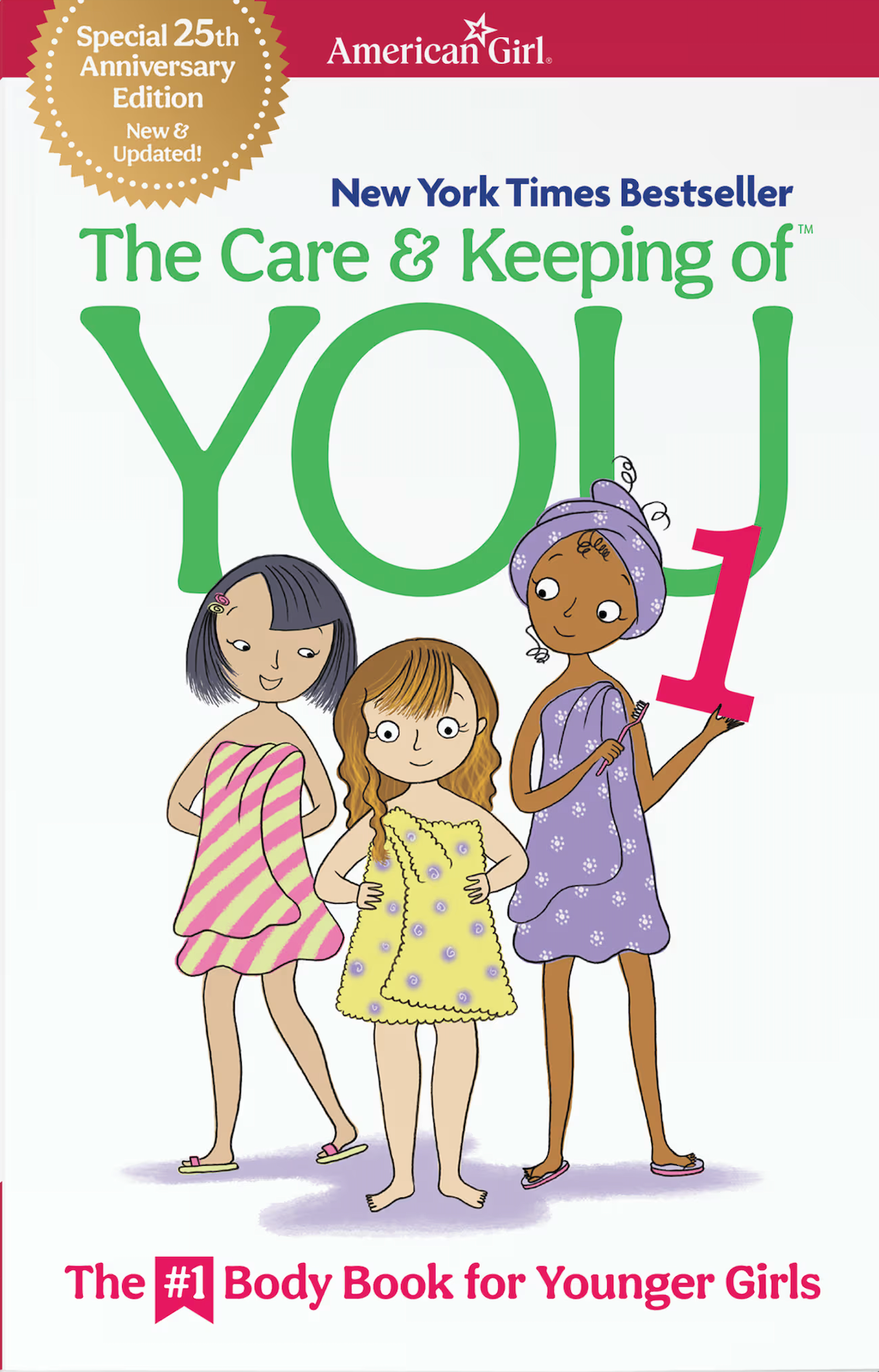
“My mom and I went through the American Girl Doll books!”
Reflection
Looking back at this survey, I think some of the questions felt a bit leading, especially “Do you remember how that conversation felt?” If I were to do it again, I would design a more storytelling-based survey without inferring how people felt.
From a data standpoint, I could have asked about age, which could have led to seeing a pattern in what generations knew versus what others failed to know.
Healthcare Providers’ Dismissal of Women’s Symptoms
‘Yentl Syndrome: a medical phenomenon where women are misdiagnosed, underdiagnosed, or dismissed in healthcare unless their symptoms or diseases conform to male patterns’ (Hoffmann and Tarzian, 2001).
Background Research Takeaways
Many women find health information online, but often that information leads to inaccurate assumptions that could be potentially dangerous (John et al., 2022).
Cultural attitudes around women’s health, specifically reproductive health, see periods as system failures, childbirths as women not understanding their own bodies, and menopause as a decline or a loss (Martin, 2001).
Women often turn to online resources because healthcare providers often minimize or dismiss women's symptoms and pain (Hoffmann and Tarzian, 2001).
After these findings, I wanted to conduct another survey that asked more questions about healthcare dismissal and also online perceptions of women’s health and how that affects women.
Selected Responses
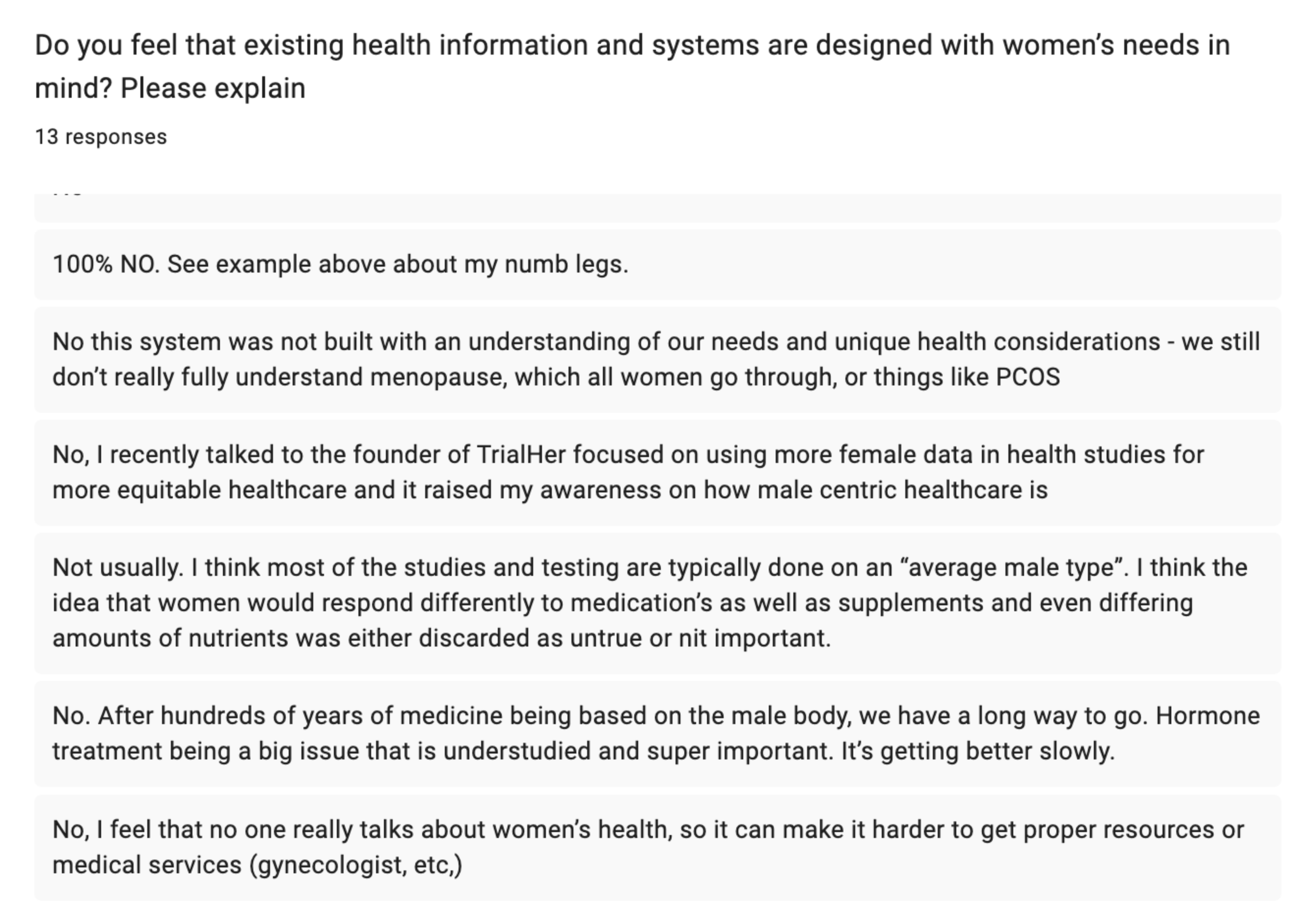
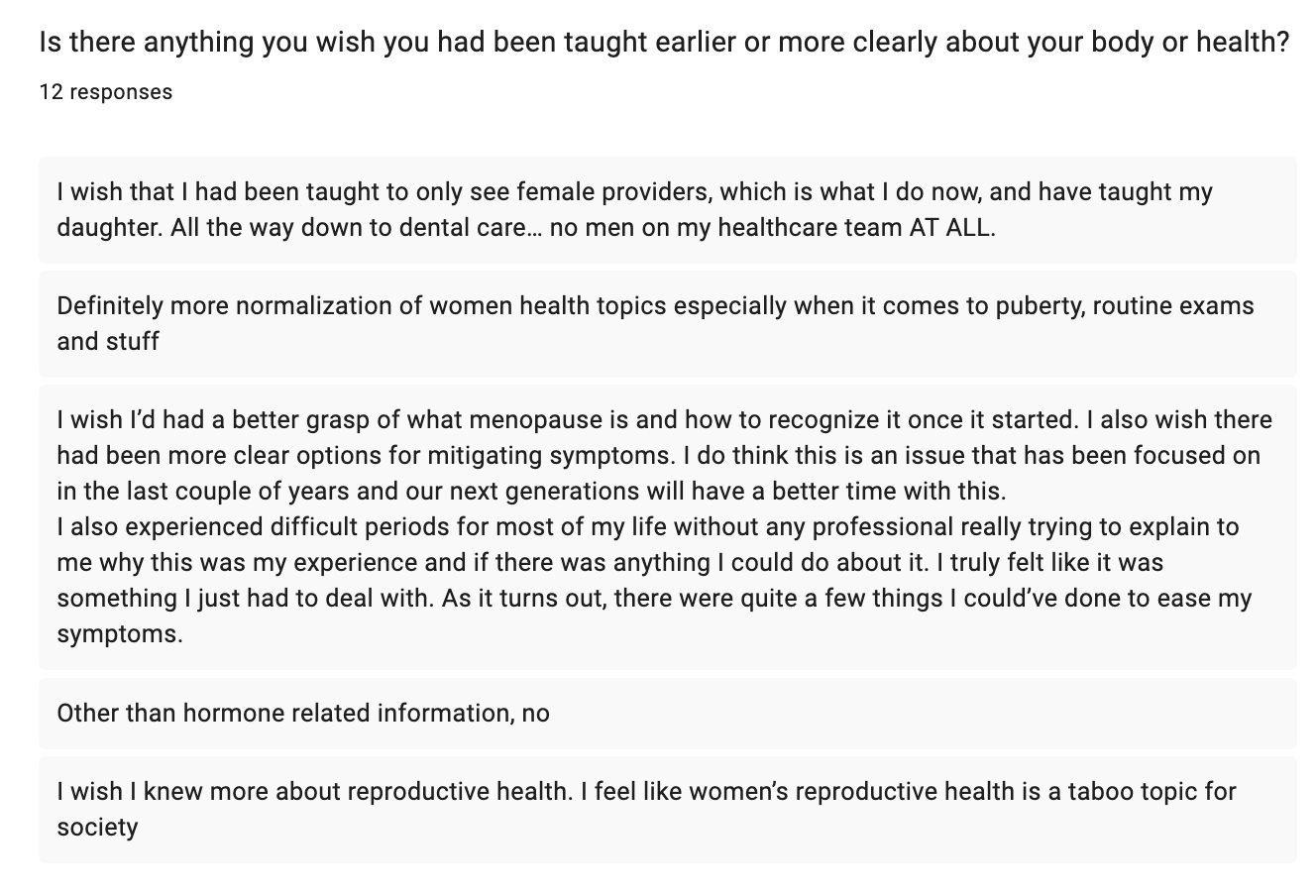
Misinformation Survey
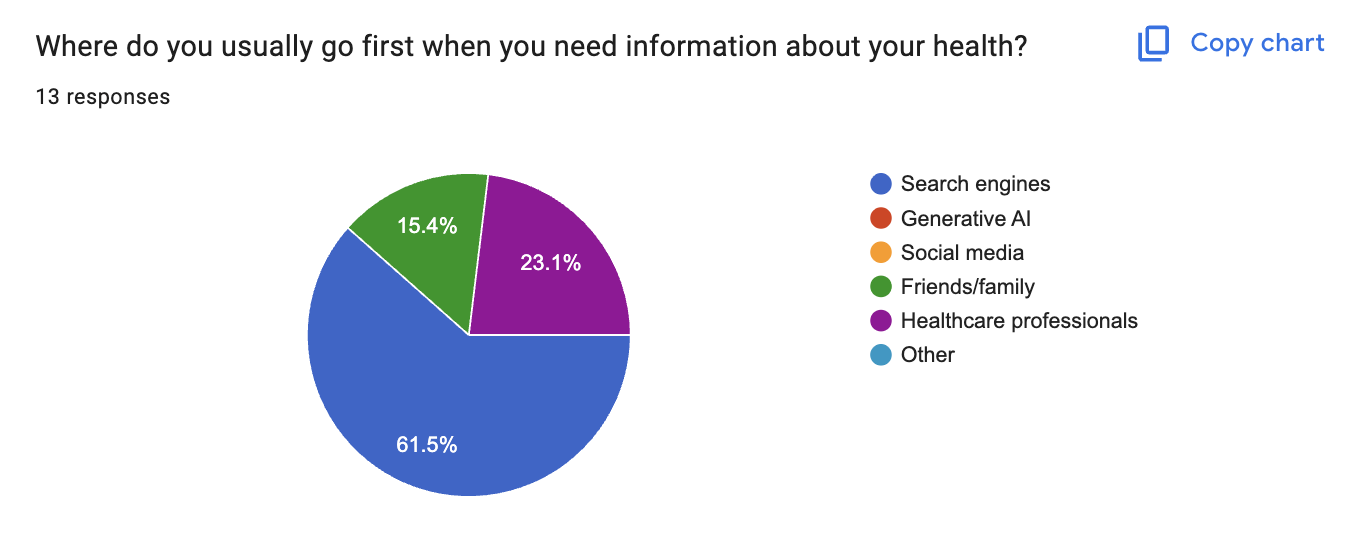
This survey was designed to better understand how women across generations interact with women’s health information online and whether they feel supported within the healthcare system.
Achieved Sample
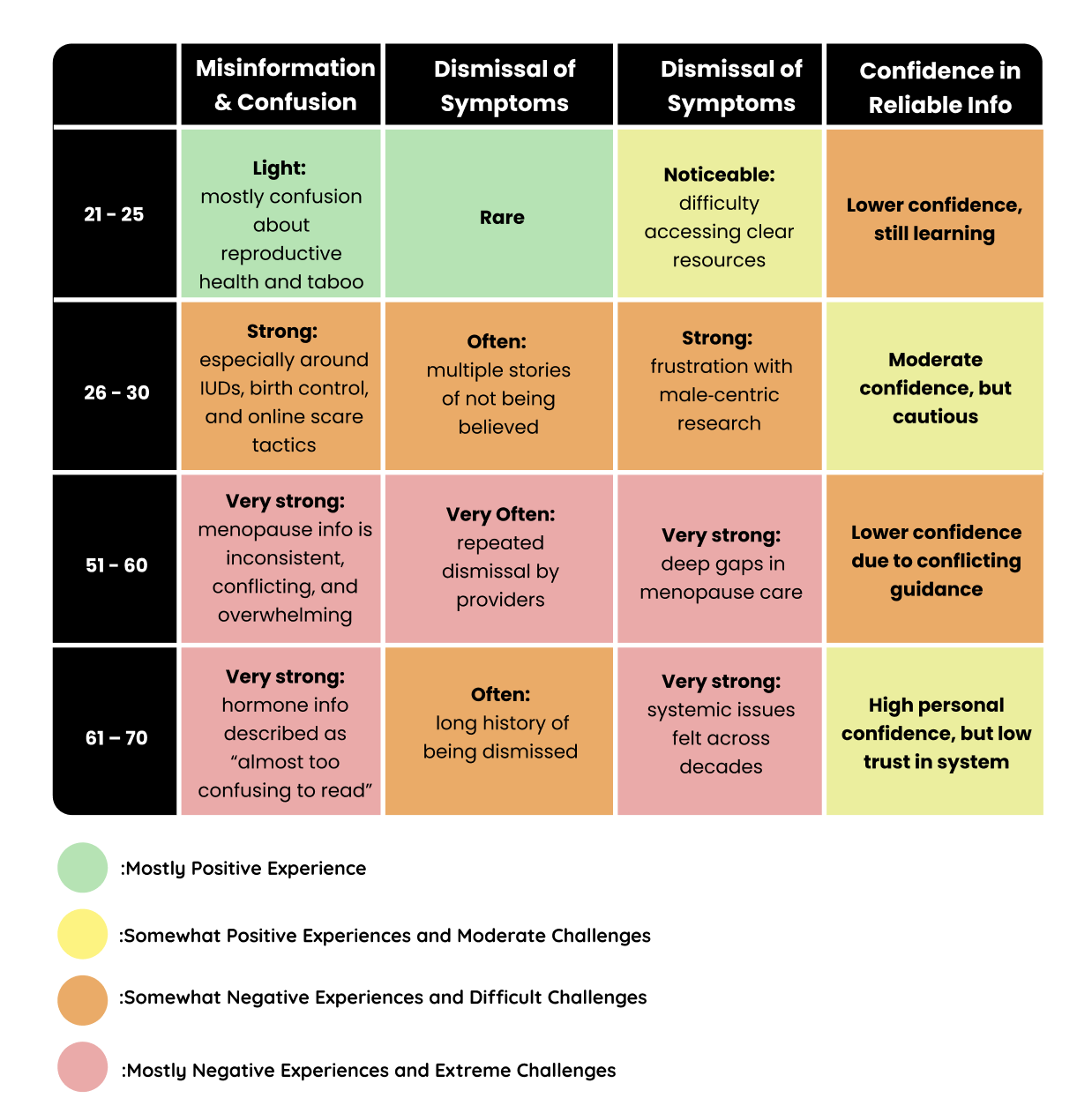
All participant names and details were kept fully anonymous to protect each woman’s privacy, with respondents ranging in age from 21 to 30: 46.2% were 51 - 60, 23.1% were 21 - 25, 23.1% were 26 - 30, and 7.7% were 61 - 70. Respondents either discovered the survey through social media or were contacted directly.
“I actually had a female family practitioner tell me to “put on my big panties” when I asked about mitigating menopausal symptoms I was experiencing.”

“Yes - back injury from figure skating when I was 14. Was told it was an overreaction to back spasms, turned out I’d fractured my spine! I work in health policy and hear every day from women who end up having cancer, chronic disease, or other ailments and are dismissed countless time”
Selected Responses
“Yes. Body dysmorphia goes crazy and health class did not tell me what I needed to know about my own reproductive system”
Other questions…
Data Analysis
After showcasing my audio piece, I went back to my survey to see which age group had the most negative experiences.
“It did when I was younger for sure. Now, I am very confident in my body and very rarely have any negative thoughts about it. But when I was younger, I felt the need to look a certain way, how girls in the TV shows I was watching looked. I once even googled Nina Dobrev’s weight and used that as a goal when I was young.”
Reflection
This week’s topic was very broad, focusing on both online misinformation and healthcare dismissal. I think this survey did help me understand attitudes about these topics, but before I made my prototype and before analyzing the data, I was more focused on the showcasing overwhelming amount of information online, both accurate and inaccurate. The audio prototype below is an example of that overwhelming information and judgment online. I wish I had analyzed these results in depth before making a prototype.
An audio piece that showcases the overwhelming information and judgment women receive when they search for help online.
After completing my audio project, I came back to analyze this research and realized it was the direction I wanted to take. It confirmed that my FMP would focus on menopause and explore ways to support the age group that struggled the most in my survey.
Now, as I move to present my proposal, it will be about menopause.
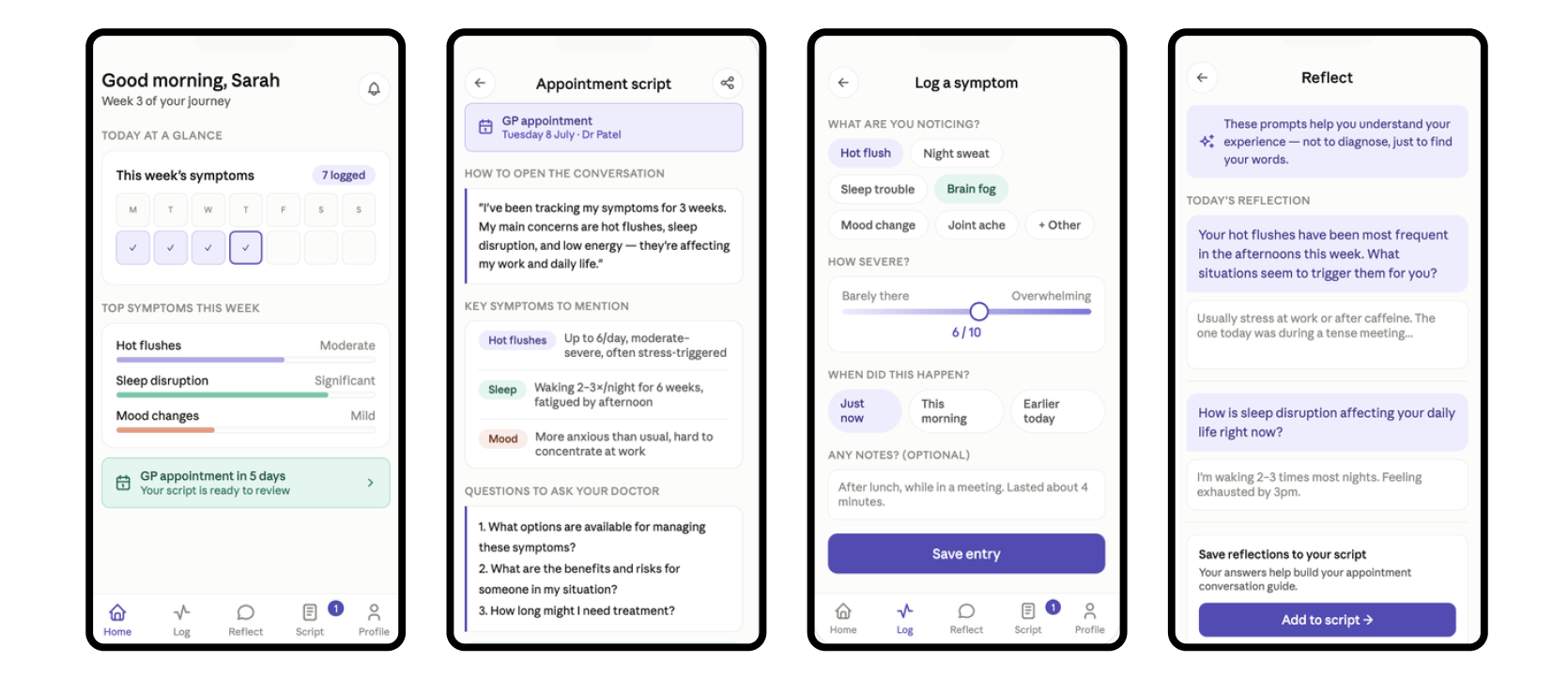
This product would be integrated into the daily life of the user, where they can log symptoms anywhere and turn those entries into confident, prepared healthcare conversations.
“This project has to maintain non‑clinical boundaries, ensuring the app does not diagnose, interpret symptoms, or provide medical advice. It is used solely for reflection and communication support. User autonomy, privacy, and emotional safety must remain central to the design, and no personal or health‑related information is entered into any artificial intelligence system during or after the design and research process. ”
Blog #3
FMP Official Proposal
During our FMP proposal, we were asked to create research questions and have an idea of what we are designing, research existing works while also determining site context and ethical constraints. This blog showcases the proposal and starting point of my project but does not reflect the outcome.
Initial research question
How can a menopause symptom and mental health support system be designed to aid women aged 40 to 60 through guided reflection and assisted healthcare communication scripts without providing medical advice?
Pre‑Research Prototype
A pre‑research prototype generated with Claude to test the idea of supporting women in structuring symptom‑based healthcare conversations.
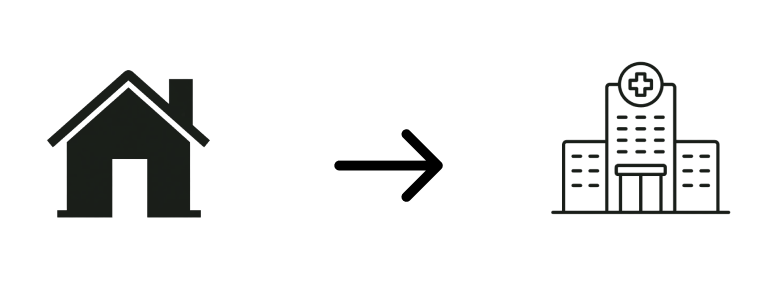
Site Context
Ethics Statement

Design
Balance: Phone application for clinical information, symptom interpretation, or medical advice (cite).
Proposal Feedback
Think Beyond Digital Interfaces (physical products and physical spaces)
Focus on specifying a group of women (not just all women who have healthcare interactions)
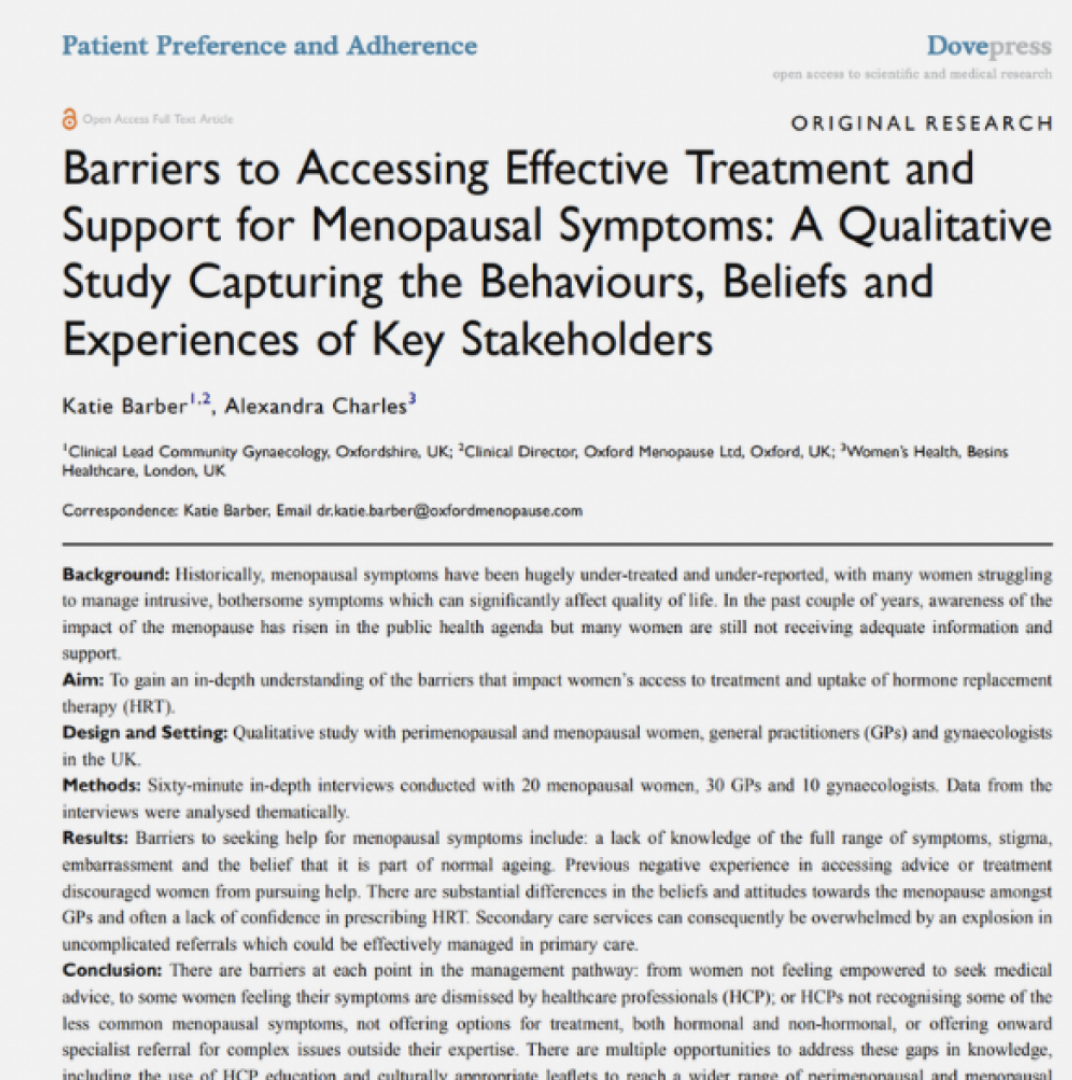
Literature
Problem: symptoms dismissed; care inconsistent; clinicians undertrained
Solutions: better training, clearer pathways, more accessible support (cite).
Art
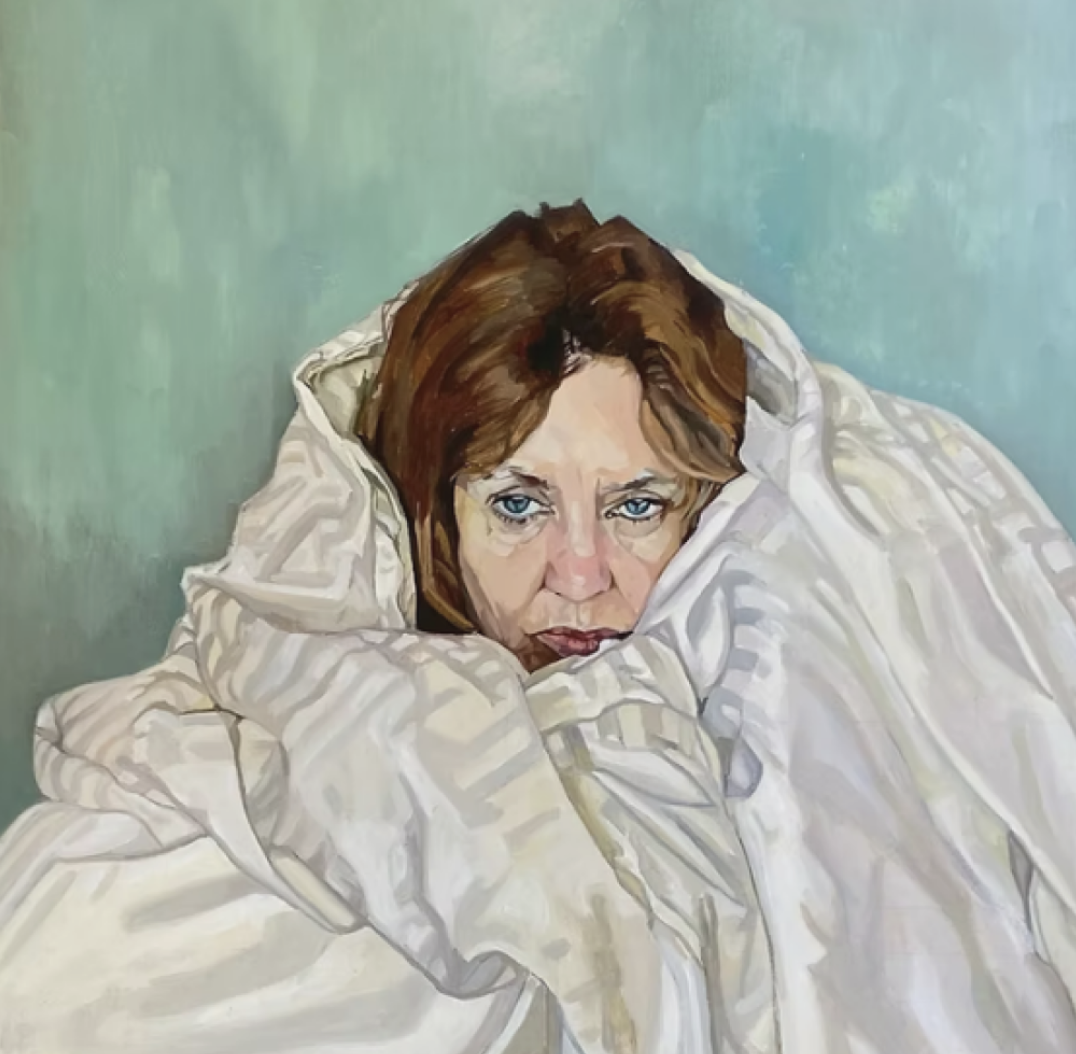
Sara Gregory: Menopause - A Personal Journey
Menopause self‑portraits that express her experience and serve as powerful awareness work (cite).
Refection
A difficult part for me in this proposal was having to give an example of what I want to design. I had a feeling that the app was not going to be the end-all, be-all because how can you define menopause in an app? The reason I used the prototype was that without any research, it was hard to say what I was going to design. The app was simply a placeholder until I was able to interview people and listen to their stories.
I agree with the feedback, and based on that, next I want to conduct expert interviews to understand more about how people who work or create in the menopause space feel about what is lacking in this space.