Finding the Topic (again…)
Topic Research Exploration 02:
Misinformation in Women’s Health
After exploring menstruation, I turned my research toward misinformation in women's health. As many women in my menopause survey conveyed, they (now grown women) are still misinformed about their own reproductive health.
Women’s health knowledge is shaped by biased systems. Many women (In my study, 62.5%) find health information online. Online health content is often inaccurate, fear‑based, or misleading; similarly, healthcare environments dismiss or underestimate women’s symptoms (Hoffmann & Tarzian, 2001; John et al., 2022).
“1993 legislation mandating the inclusion of women in research sponsored by the National Institutes of Health.”
Secondary Research:
Misinformation and Gender Bias In Womens Healthcare
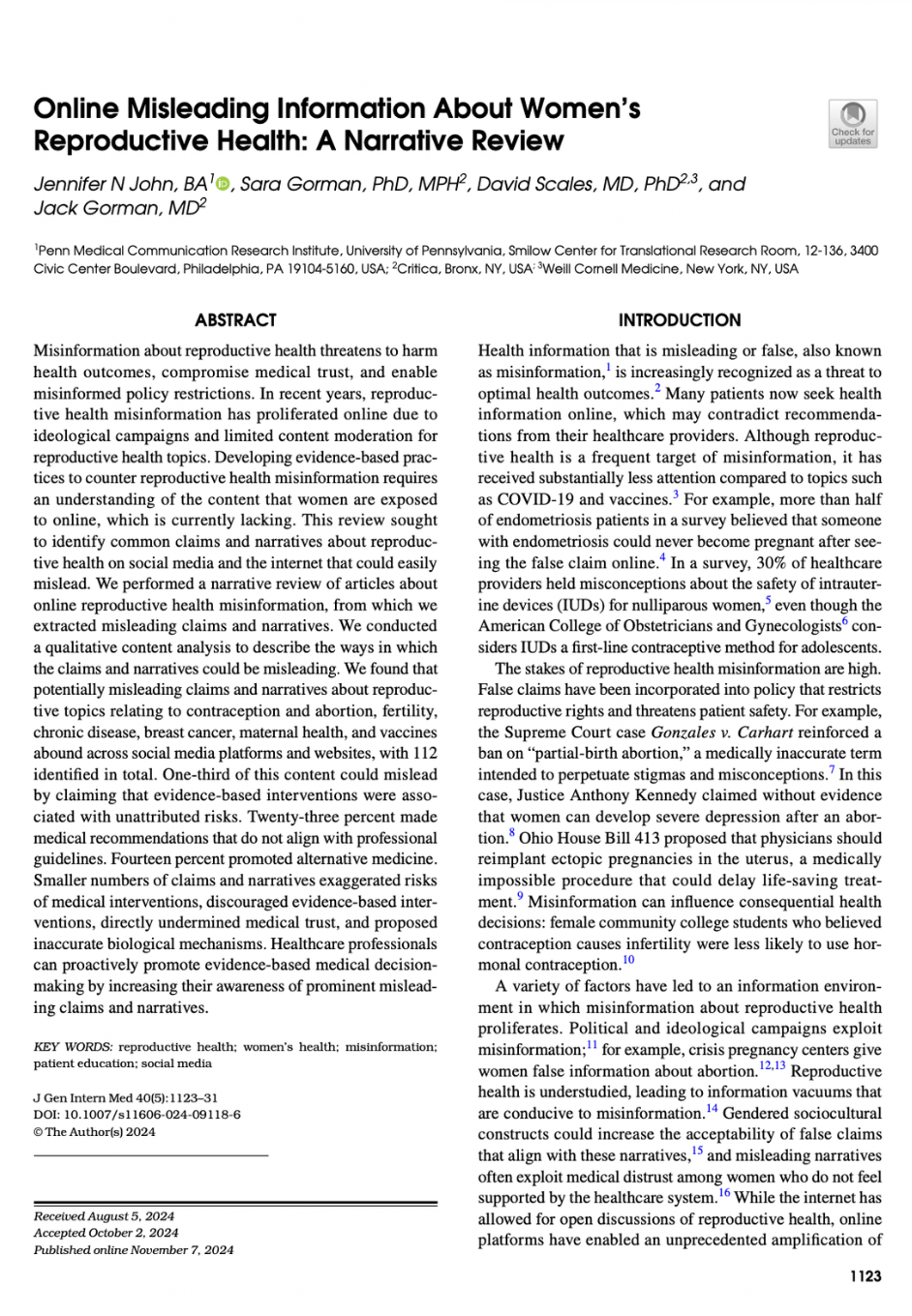
Misinformation influences their health decisions
‘More than half of endometriosis patients...believed that someone with endometriosis could never become pregnant after seeing the false claim online’ (John et al., 2022).
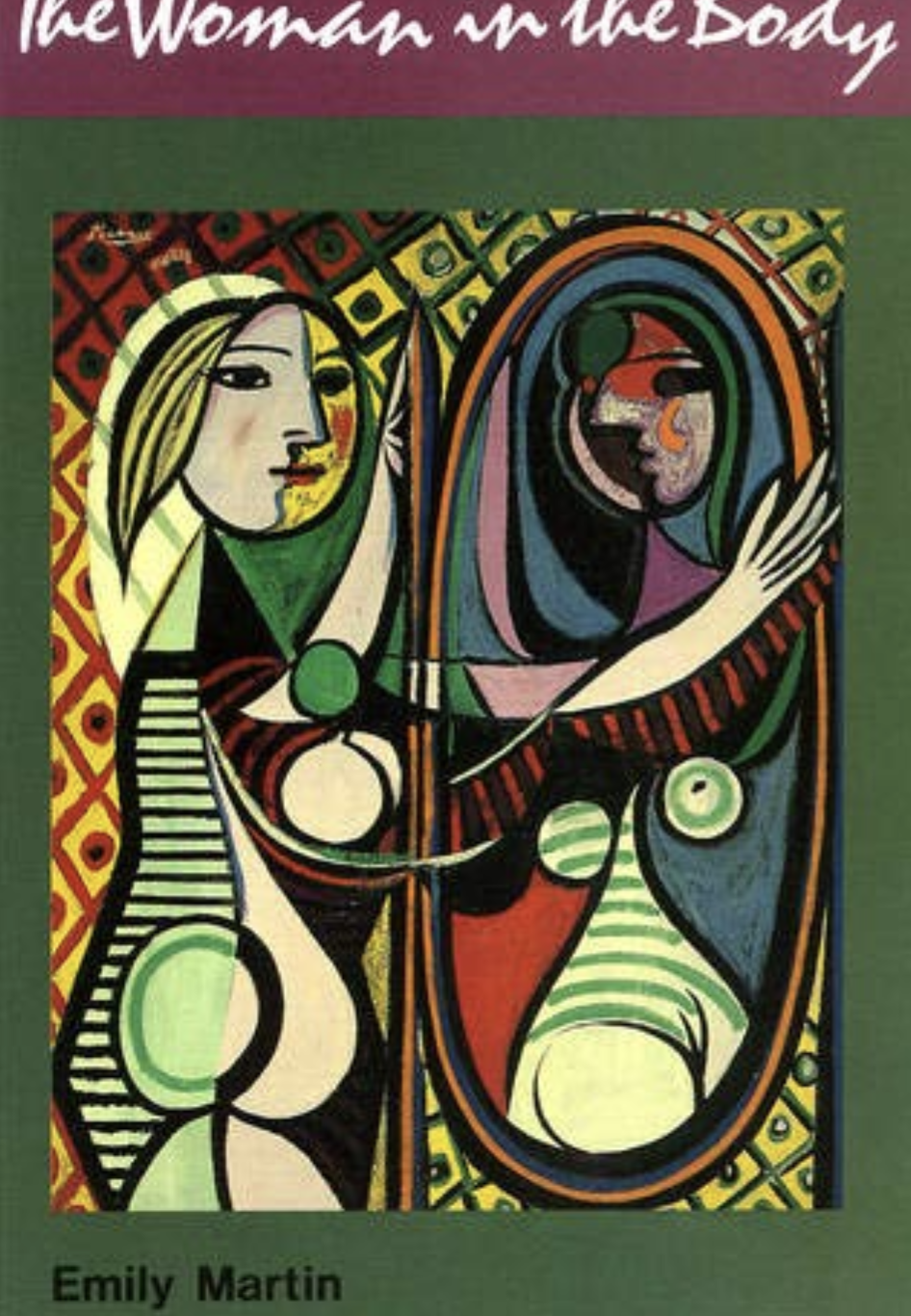
Gendered Bias in Health Knowledge
‘Women’s embodied knowledge is frequently dismissed in favor of external authority’ (Martin, 2001).
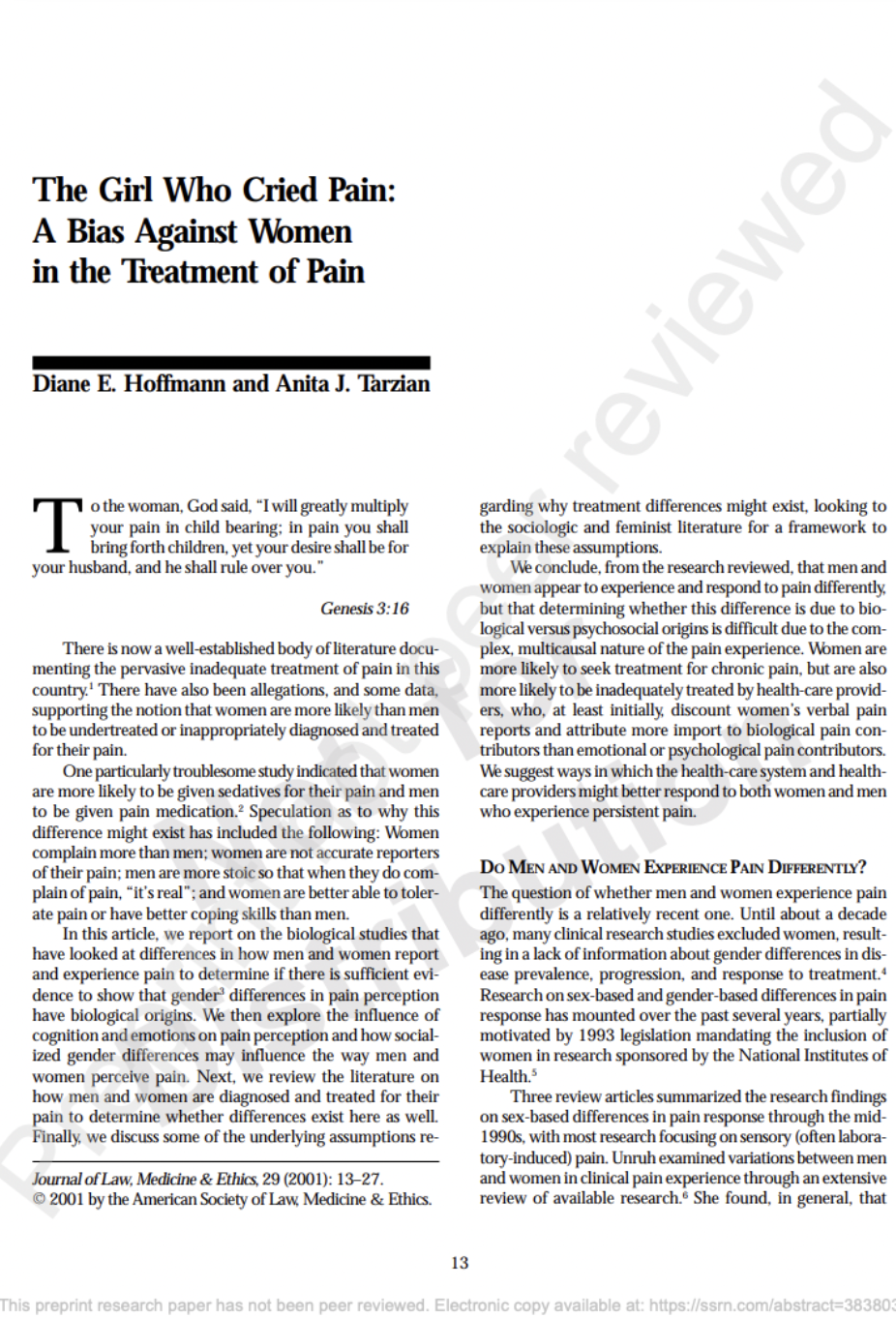
Silence is a key response to menstruation
‘Yentl Syndrome: a medical phenomenon where women are misdiagnosed, underdiagnosed, or dismissed in healthcare unless their symptoms or diseases conform to male patterns’ (Hoffmann and Tarzian, 2001).
-
Through this literature review, I am not only able to confirm my claim that women's health is misrepresented and dismissed online and in a healthcare setting, but also learn that even when a woman walks into a healthcare clinic for any reason is already more likely to be misdiagnosed, under-diagnosed, or dismissed compared to her male counterpart.
How can I represent this fact, not only that women are not believed but also belittled when it comes to their health and their bodies?
Initial Survey
Misinformation Survey
This survey was designed to understand better how women across generations interact with women’s health information online and whether they feel supported within the healthcare system.
Achieved Sample
All participant names and identifying details were kept fully anonymous to protect each woman’s privacy, with respondents ranging in age from 21 to 30: 46.2% were 51 - 60, 23.1% were 21 - 25, 23.1% were 26 - 30, and 7.7% were 61 - 70. Respondents either discovered the survey through social media or were contacted directly.
Analysis
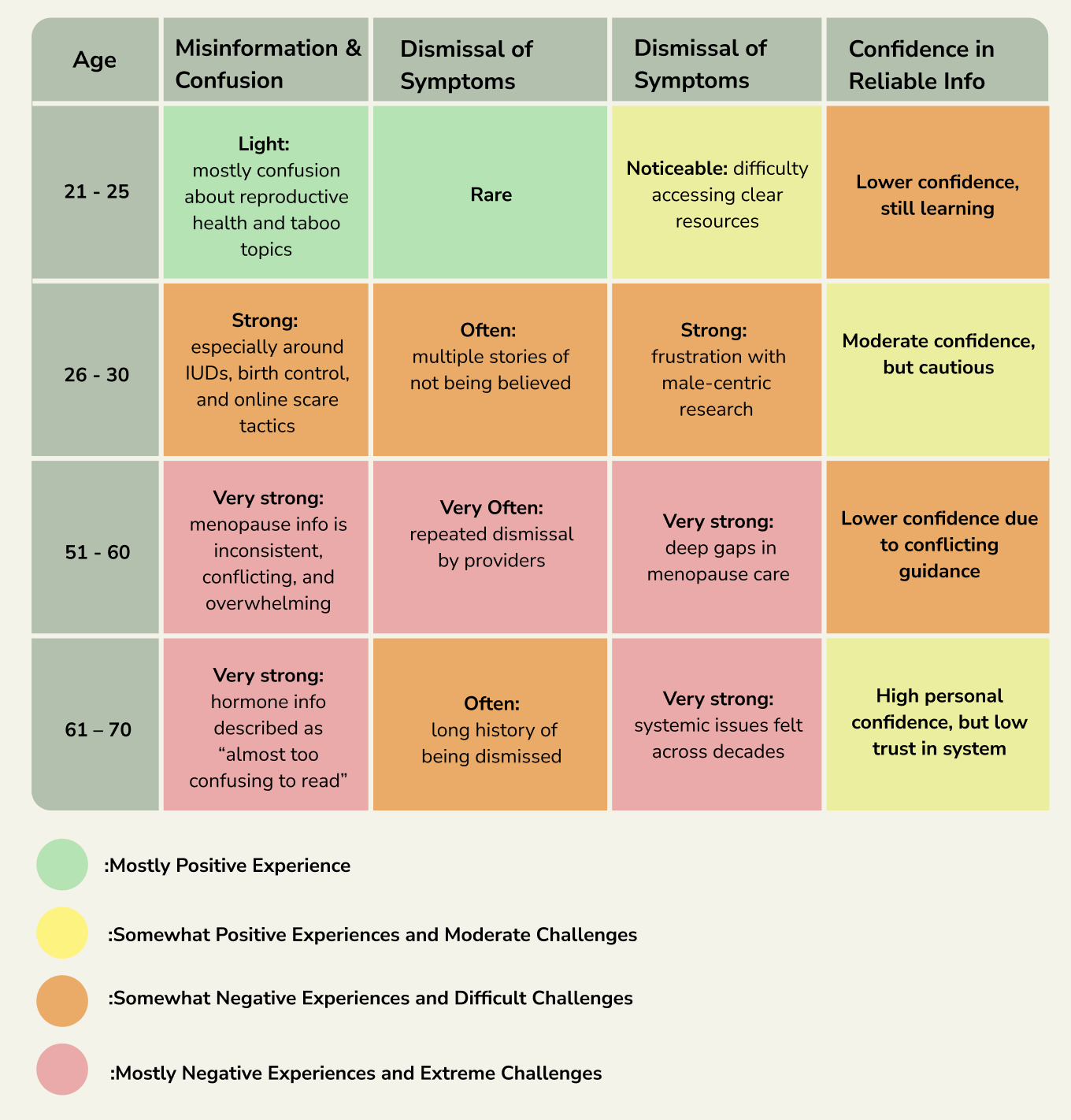
Selected Responses
“Drink tea, exercise, don’t exercise, take supplements, don’t take supplements. Very hard to follow.”
“I actually had a female family practitioner tell me to “put on my big panties” when I asked about mitigating menopausal symptoms I was experiencing.”
“Not at all. There has been far too little funding put towards research into women’s specific healthcare needs.”
Concept
An audio piece that showcases the overwhelming information and judgment women receive when they search for help online.
-
Though this concept did not reflect my finding that menopause is unsupported and almost silenced in society, I wanted to show how women feel overwhelmed when it comes to health misinformation and are met with jokes and pushback, especially on social media.
Overall, my survey led me to focus on menopause because it’s where women experience the most intense confusion, dismissal, and gaps in support across every age group represented, according to my findings
References:
John, J.N., Gorman, S., Scales, D. and Gorman, J. (2022) ‘Online Misleading Information About Women’s Reproductive Health: A Narrative Review’, Current Sexual Health Reports, 14(3), pp. 123–131.
Hoffmann, D.E. and Tarzian, A.J. (2001) ‘The Girl Who Cried Pain: A Bias Against Women in the Treatment of Pain’, The Journal of Law, Medicine & Ethics, 29(1), pp. 13–27.
Martin, E. (2001) The Woman in the Body: A Cultural Analysis of Reproduction. Boston: Beacon Press.
