FMP Official Proposal
Official Proposal
Initial research question
How can a menopause symptom and mental health support system be designed to aid women aged 40 to 60 through guided reflection and assisted healthcare communication scripts without providing medical advice?
Pre‑Research Prototype
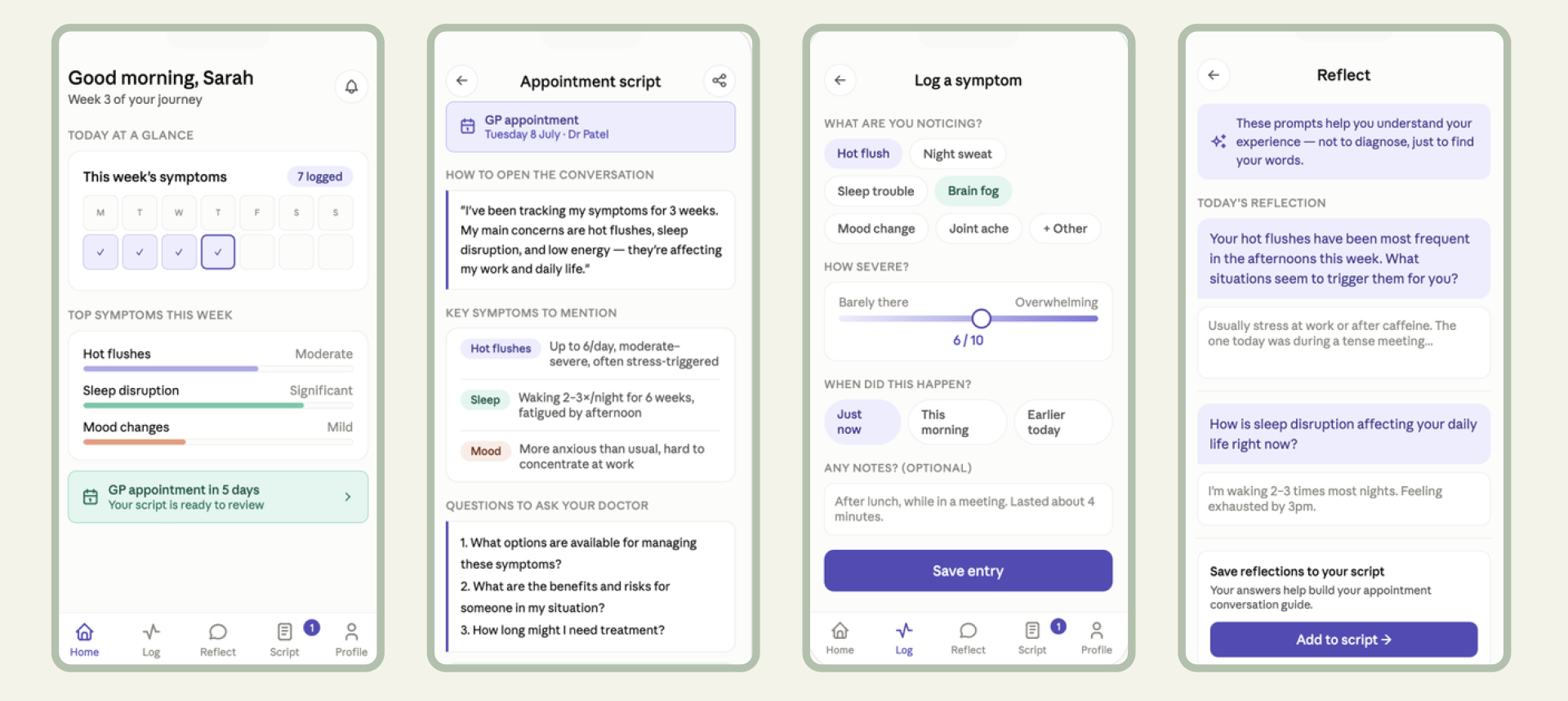
A pre‑research prototype generated with Claude to test the idea of supporting women in structuring symptom‑based healthcare conversations.
Site Context

This product would be integrated into the daily life of the user, where they can log symptoms anywhere and have those entries directly into confident, prepared healthcare conversations.
-
I was not certain that I wanted to make a digital product, but at the time, there was minimal research and a narrow understanding of how I could help women in menopause. This digital application prototype is a reflection of how I hope to help women prepare for their appointment in order to advocate for themselves.
While advocating for themselves in healthcare is important, it makes me wonder why they are believed in the first place. Is it a systemic issue? Is it a societal issue? Both?
Ethics Statement
This project has to maintain non‑clinical boundaries, ensuring the app does not diagnose, interpret symptoms, or provide medical advice. It is used solely for reflection and communication support. User autonomy, privacy, and emotional safety are central to the design, and no personal or health‑related information is entered into any artificial intelligence system during or after the design and research process. All interactions prioritize user control, transparency, and supportive engagement.
-
Ethics are going to play a crucial role in this project. Menopause and any conversations involving healthcare require a commitment to privacy and trust. When speaking with these women, I want them to feel comfortable sharing as much or as little as they wish.
The whole point of this project is to help bring awareness to menopause and make it easier for women to experience it, therefore making sure these women are not taken advantage of and know they can contact me to withdraw their information at any time.
Existing works
Existing Design, Art & Literature

DesignBalance: Phone application for clinical information, symptom interpretation, or medical advice.
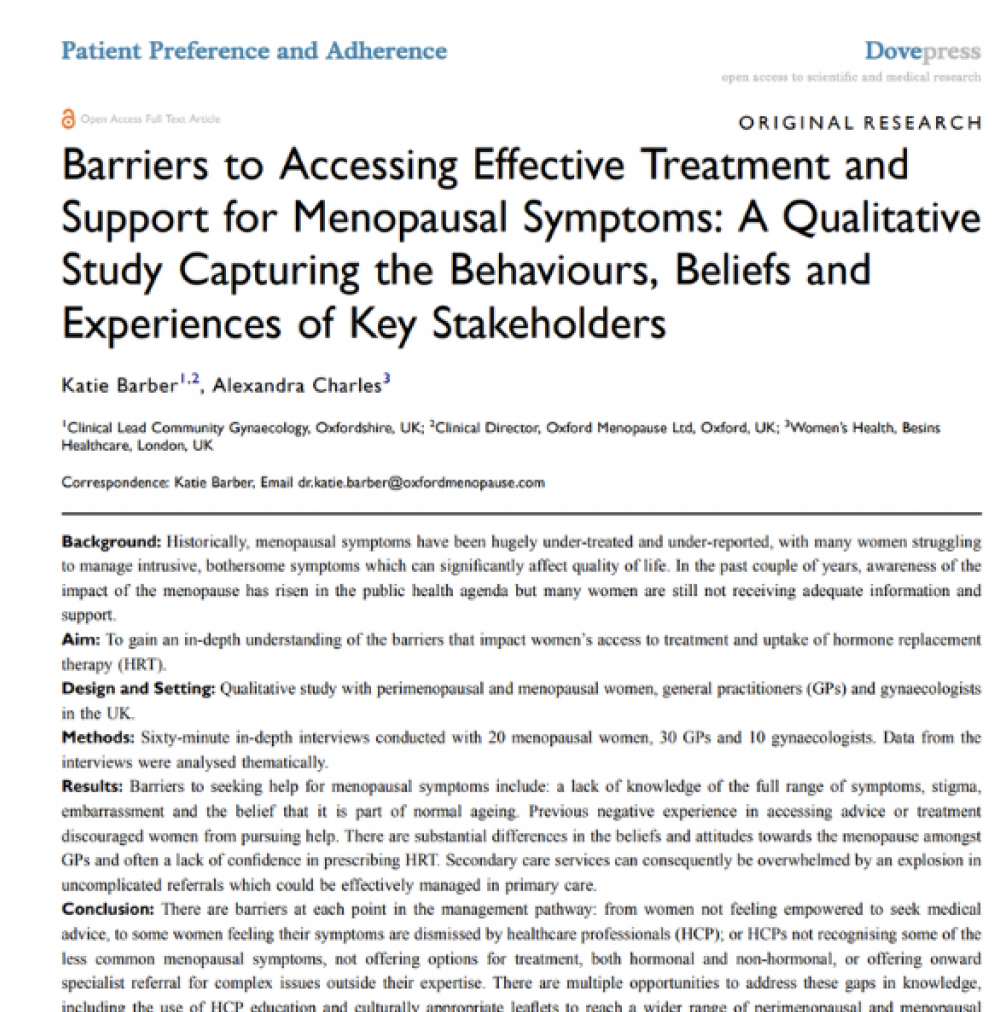
LiteratureProblem: symptoms dismissed; care inconsistent; clinicians undertrained
Solutions: better training, clearer pathways, more accessible support
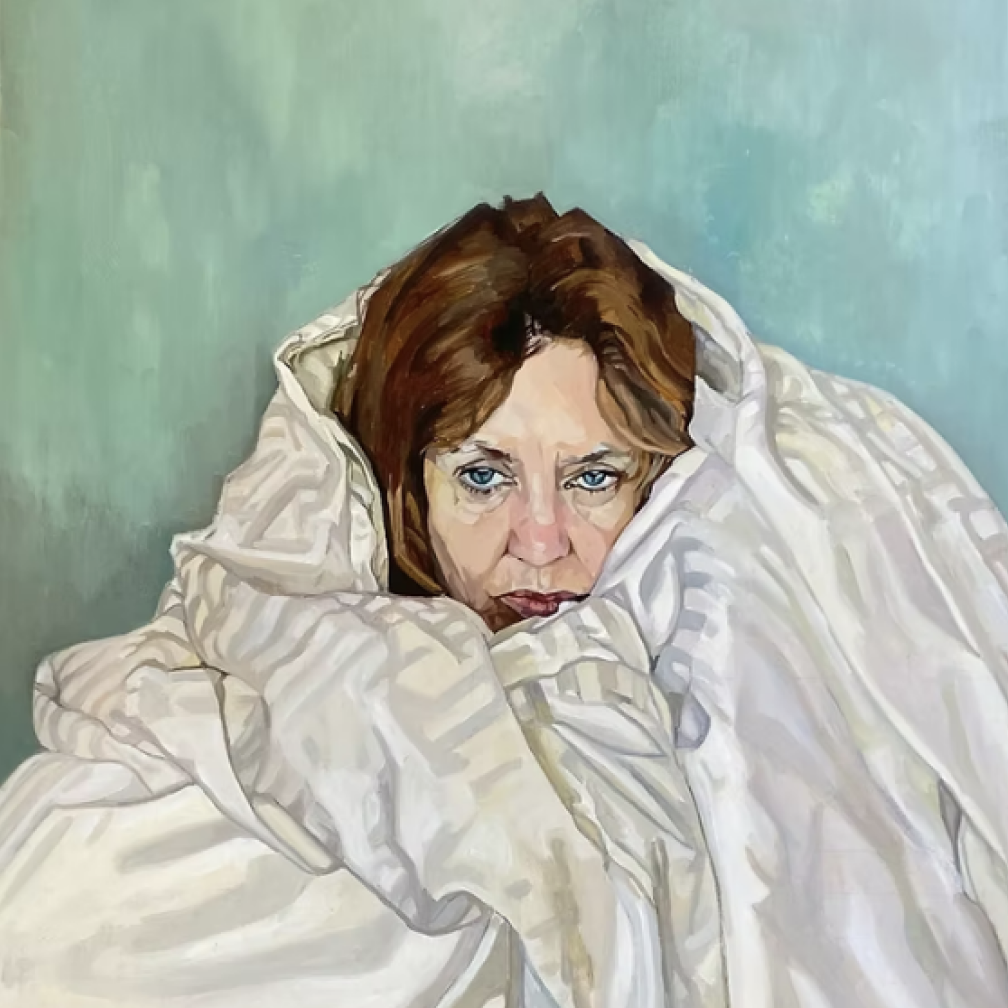
ArtSara Gregory: Menopause - A Personal Journey
Menopause self‑portraits that express her experience and act as powerful awareness work.
-
After seeing the gaps, my main focus was on helping women who are actively going through menopause, but as I read more, I learned that many women lack a support system of their spouses, children, etc.
If we could educate the people around these women to help and support, would the stigma around menopause change?
Proposal Feedback
Think Beyond Digital Interfaces (physical products and physical spaces)
Focus on specifying a group of women (not just all women who have healthcare interactions)
Next steps...
After this feedback and my exploration, I realized that I want to help instill confidence in women going through menopause, especially when going into healthcare appointments where women's symptoms are often dismissed (Criado Perez, 2019). Next, I plan to interview experts and everyday women to understand stories and learn about the political, medical, and societal viewpoints on menopause in order to make a real world experience
References:
Balance (n.d.) Balance app. Available at: https://www.balance-menopause.com/balance-app/
Barber, K. and Charles, A. (2023) 'Barriers to Accessing Effective Treatment and Support for Menopausal Symptoms: A Qualitative Study Capturing the Behaviours, Beliefs and Experiences of Key Stakeholders', Patient Preference and Adherence. Available at: https://doi.org/10.2147/PPA.S430203
Gregory, S. (n.d.) Menopause - A Personal Journey. Sara Gregory Art. Available at: https://www.saragregory.co.uk/current-work
